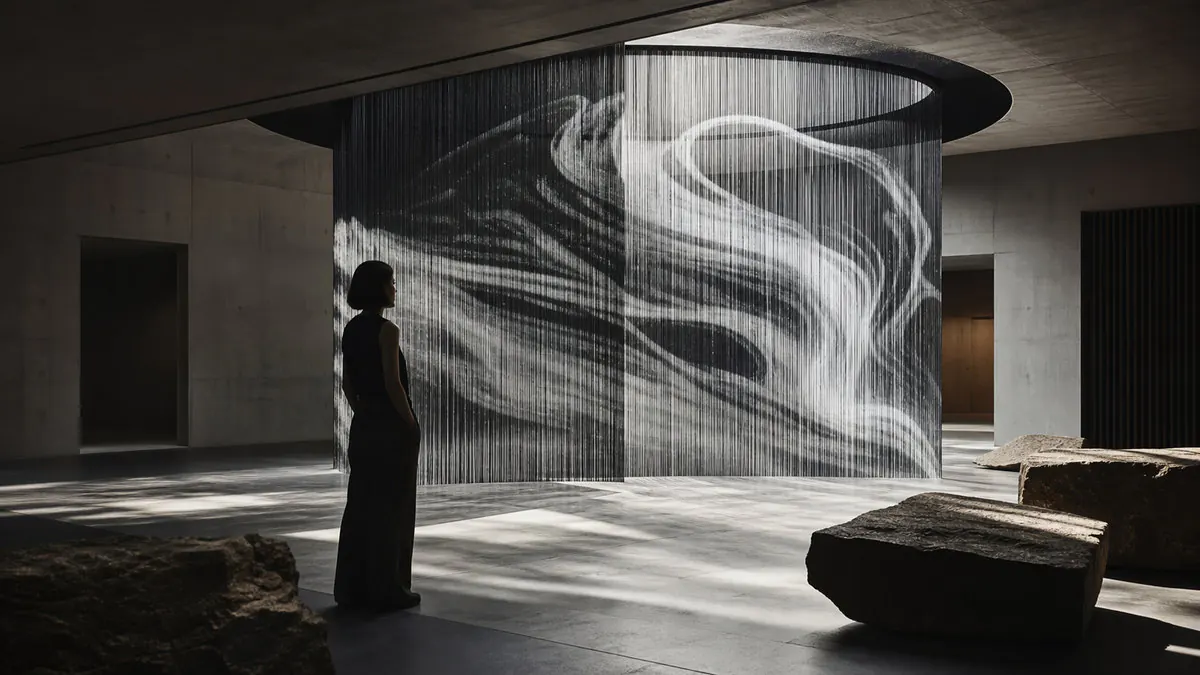
Digital Art and Brand Innovation: A Rights-Based Partnership
Brand–artist collaboration has cultural value when authorship, audience data, technical preservation and commercial boundaries are explicit.
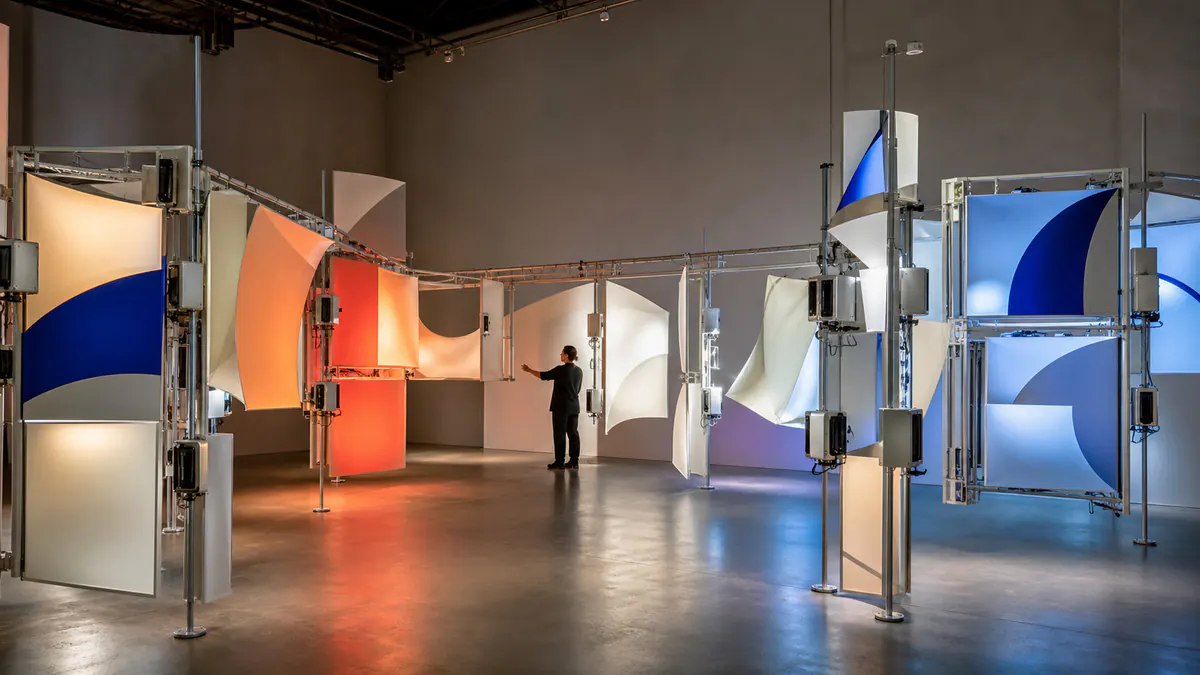
Dynamic Identity as a Governed Rule Set
A dynamic identity replaces one fixed arrangement with controlled variation across content, motion and context.
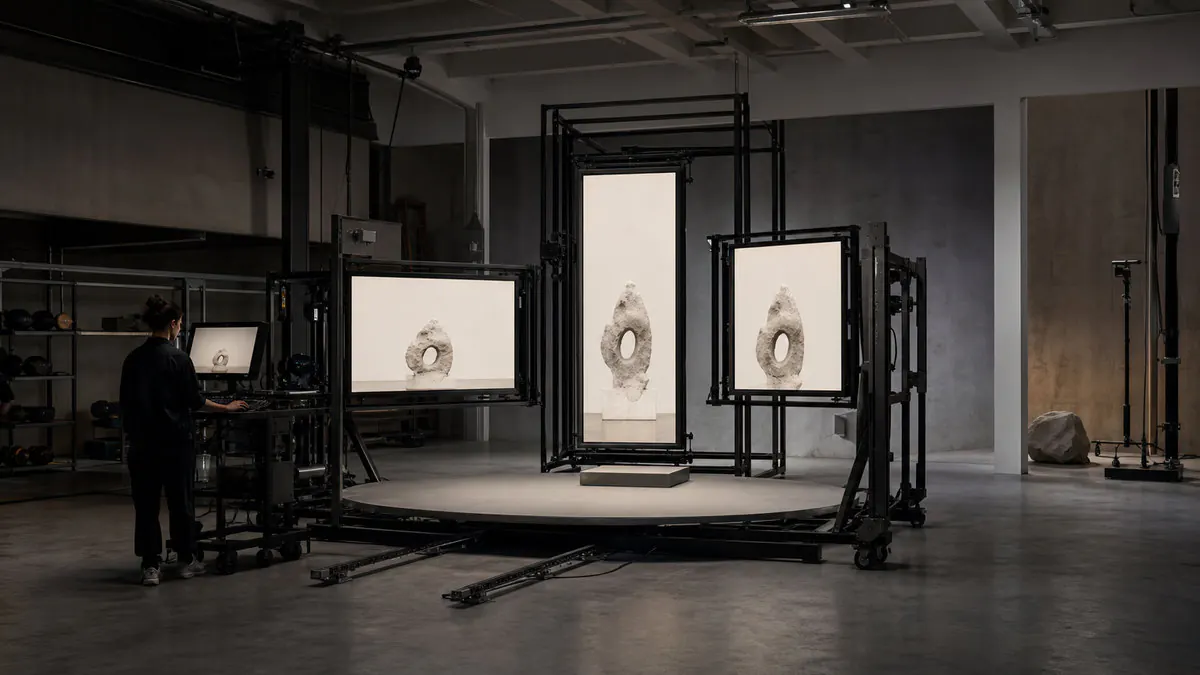
Visual Design as a Social Content System
Social media turns identity into a continuous system of templates, motion, captions, crops, accessibility and editorial decisions.
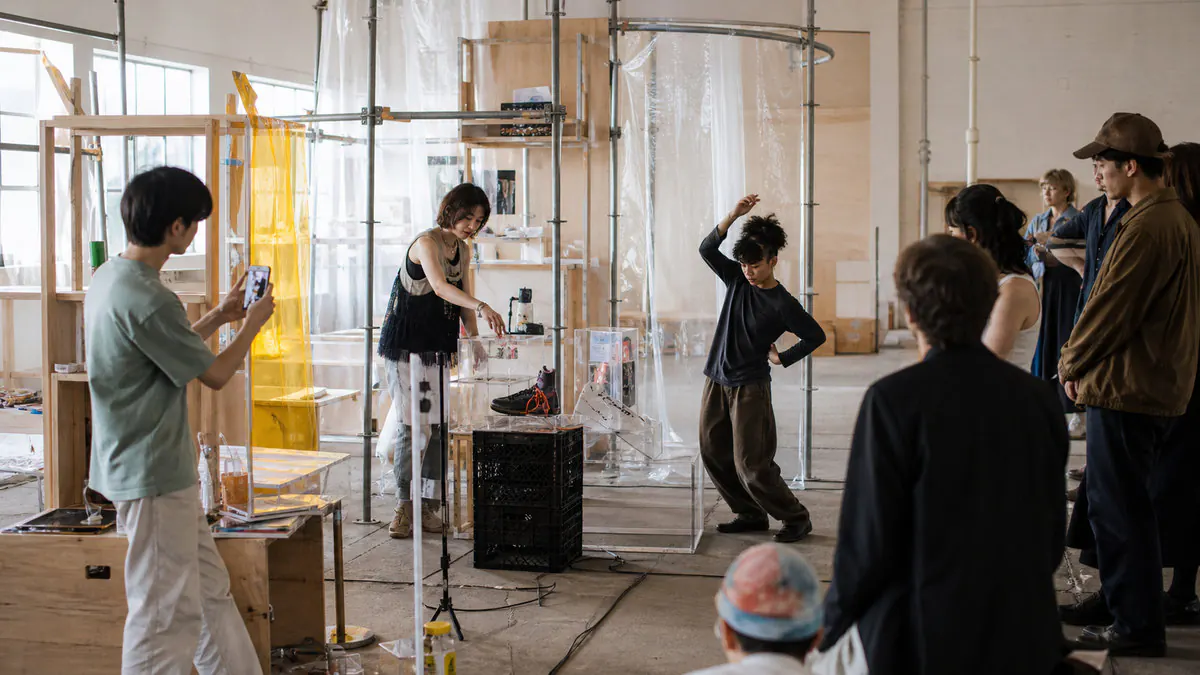
Designing with Young Consumers, Not at Them
Young audiences are not one demographic. Credible design requires observing different contexts and creating clear terms for participation and reuse.
Product Design for Long-Term Value
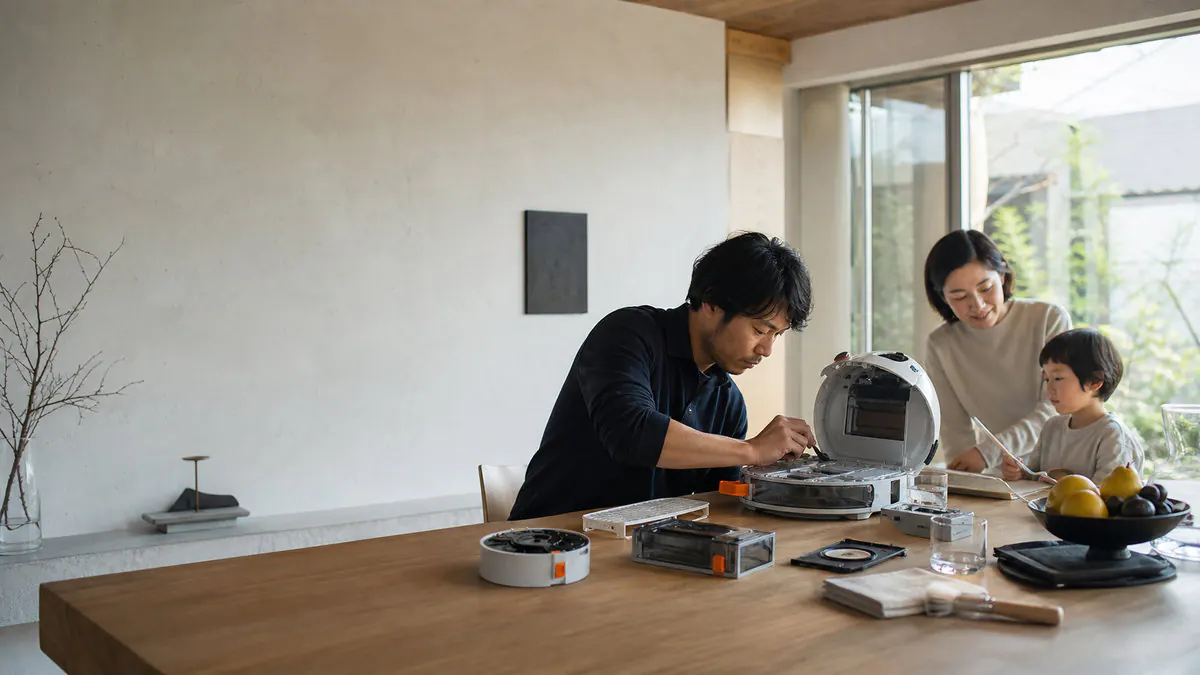
So-called consumption upgrading is better understood as a demand for fit, reliability, health, repair and lower total cost—not higher price alone.

Luxury Design Under New Regulatory Pressure
Luxury design is being reshaped by repair expectations, material traceability, product passports and scrutiny of environmental claims.

How Premium Brands Build a Service System
Premium experience is verified through advice, delivery, care, repair and the way a brand behaves after payment—not ambience alone.
Designing a Coherent Corporate Brand Ecosystem
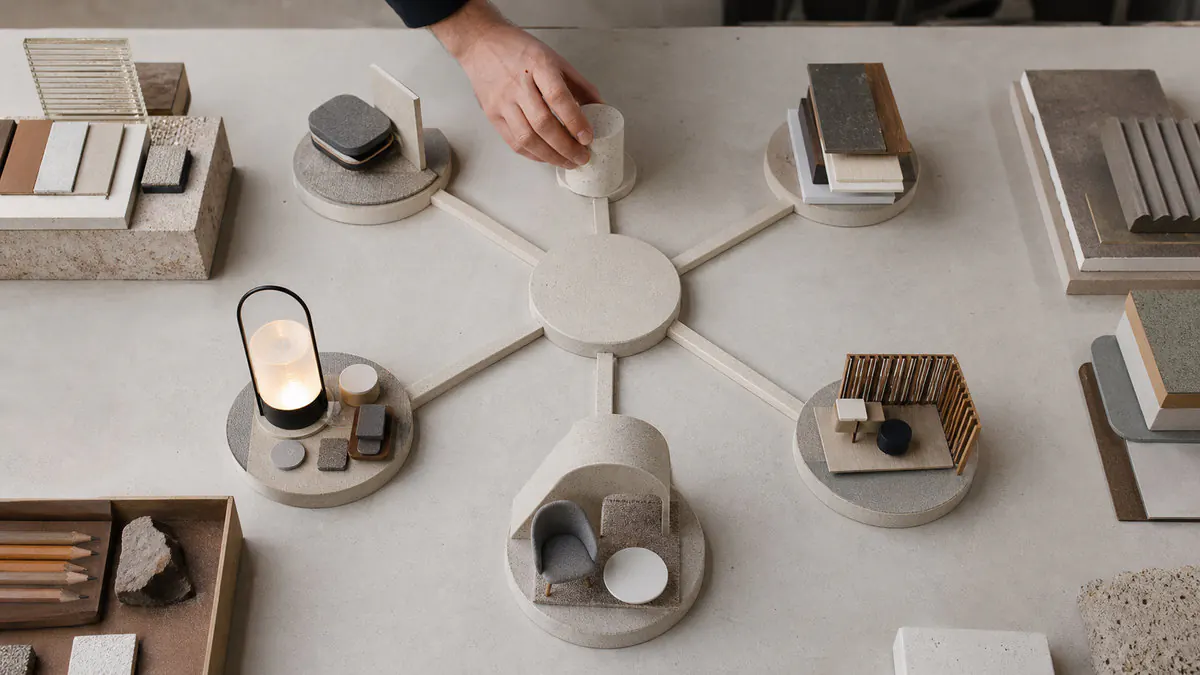
A corporate ecosystem must explain how the parent brand, products, services, accounts and support relationships fit together without erasing useful differences.
Brand Transformation Beyond the New Logo
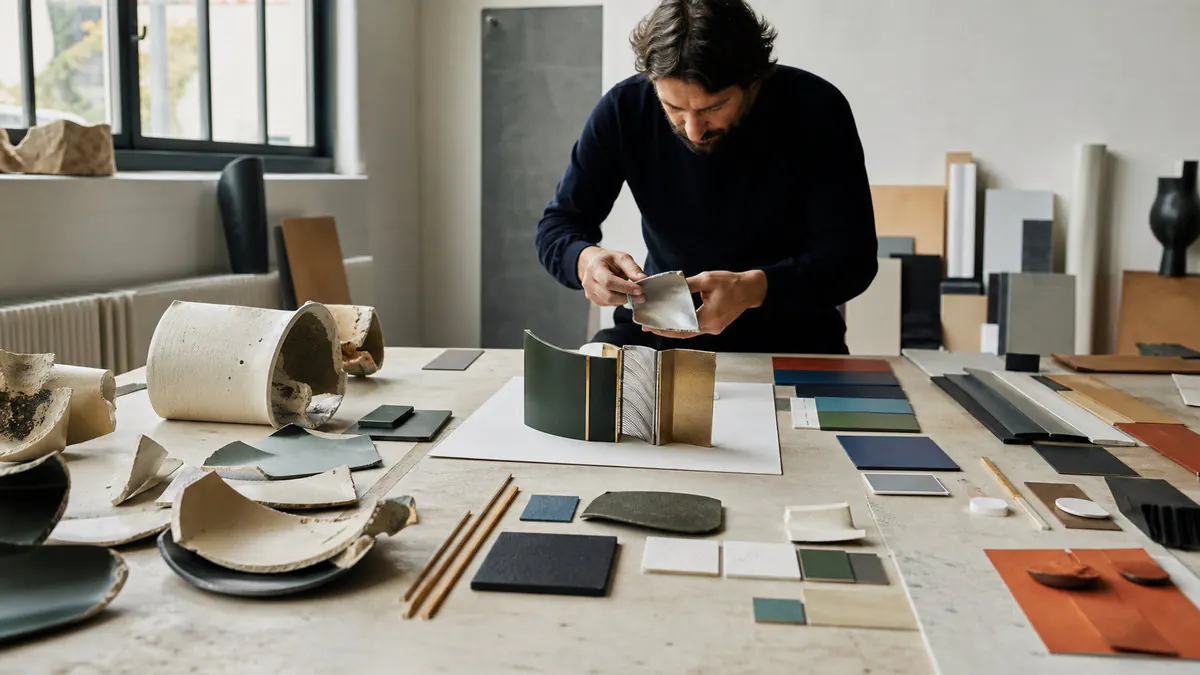
Rebranding is a change programme that links positioning, distinctive assets, product and service behaviour, internal adoption and rollout.
Expressing Local Culture Through Co-design
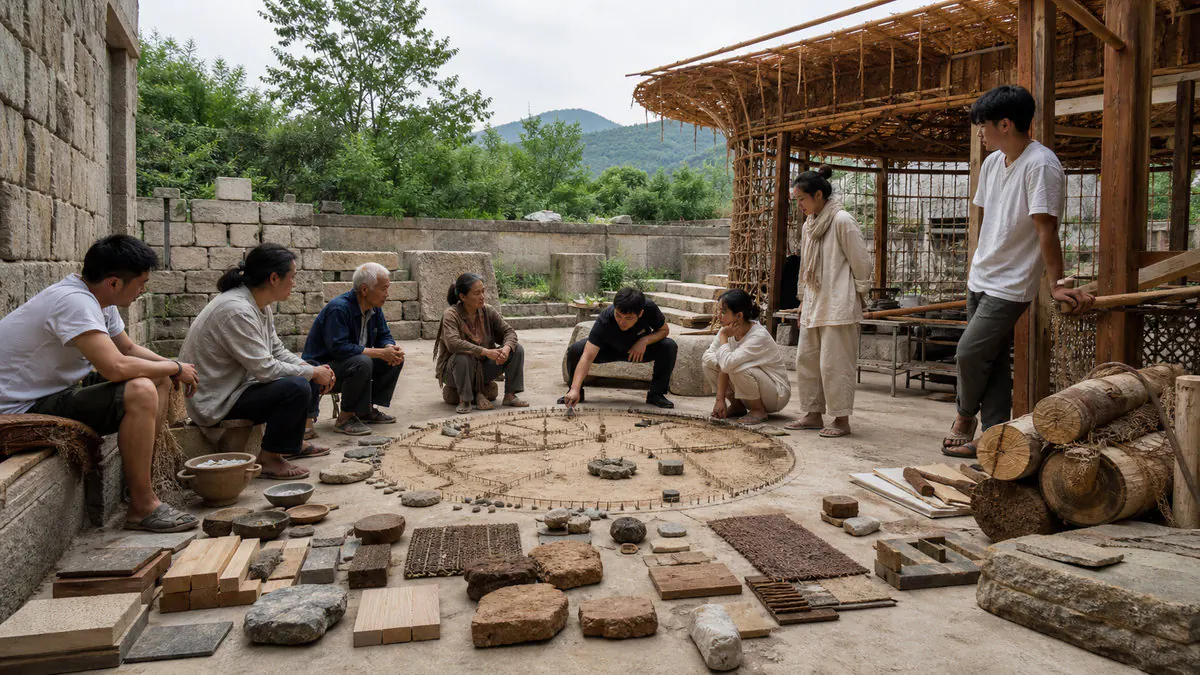
Place-based design should grow from climate, materials, stories, language and community authority rather than applied motifs.
Design Language in a Global Context
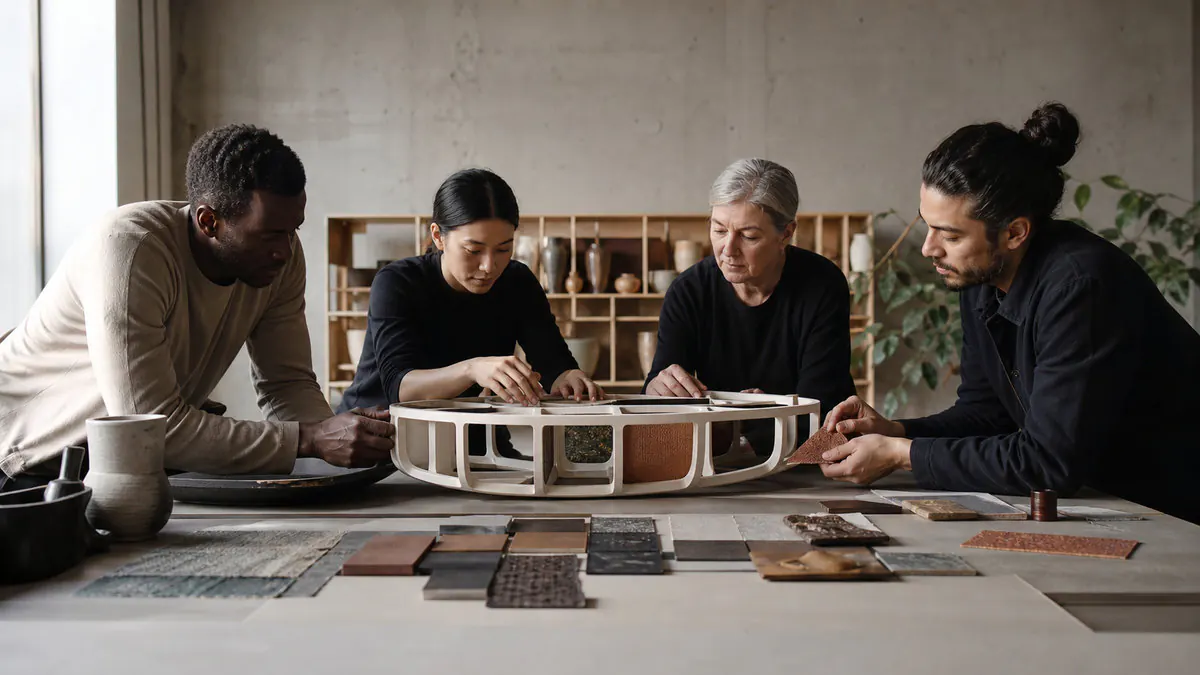
A global system needs shared recognition while allowing language, imagery, interaction and convention to change locally.
The Global Influence of East Asian Aesthetics
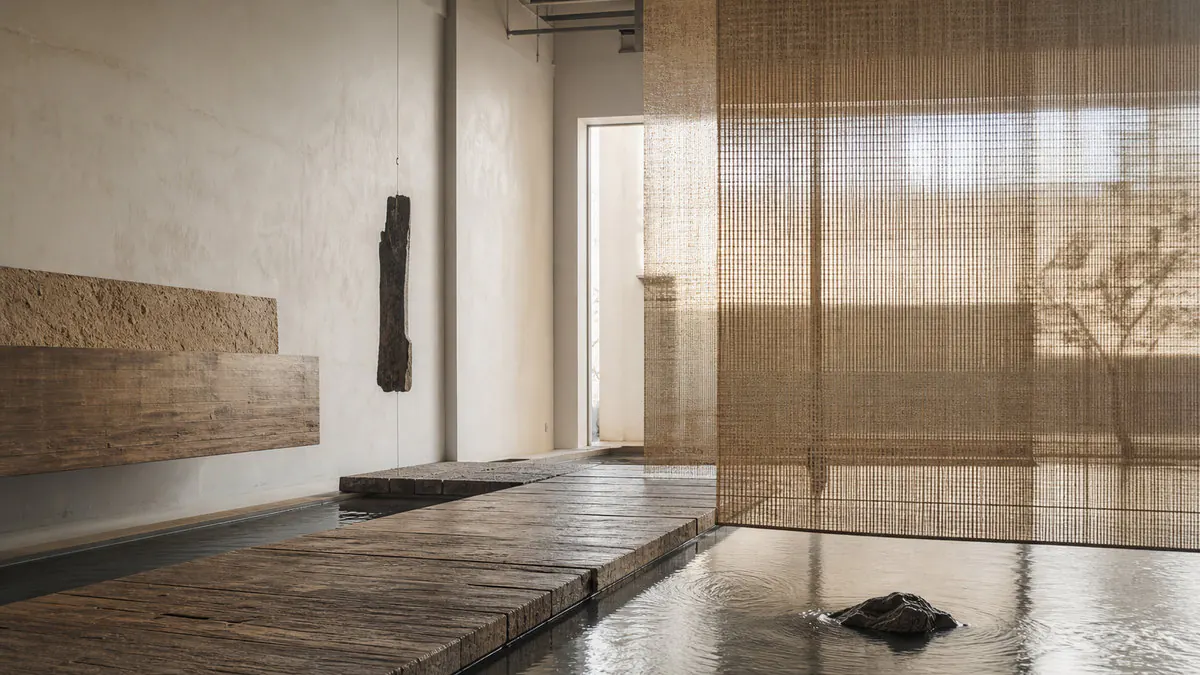
Ideas such as emptiness, material restraint, sequence and time have travelled widely, but translation can become simplification or cultural appropriation.

Designing with Cultural Heritage
Heritage design must balance material evidence, living memory, contemporary use, community rights and economic continuity.
Museums as Participatory Cultural Platforms
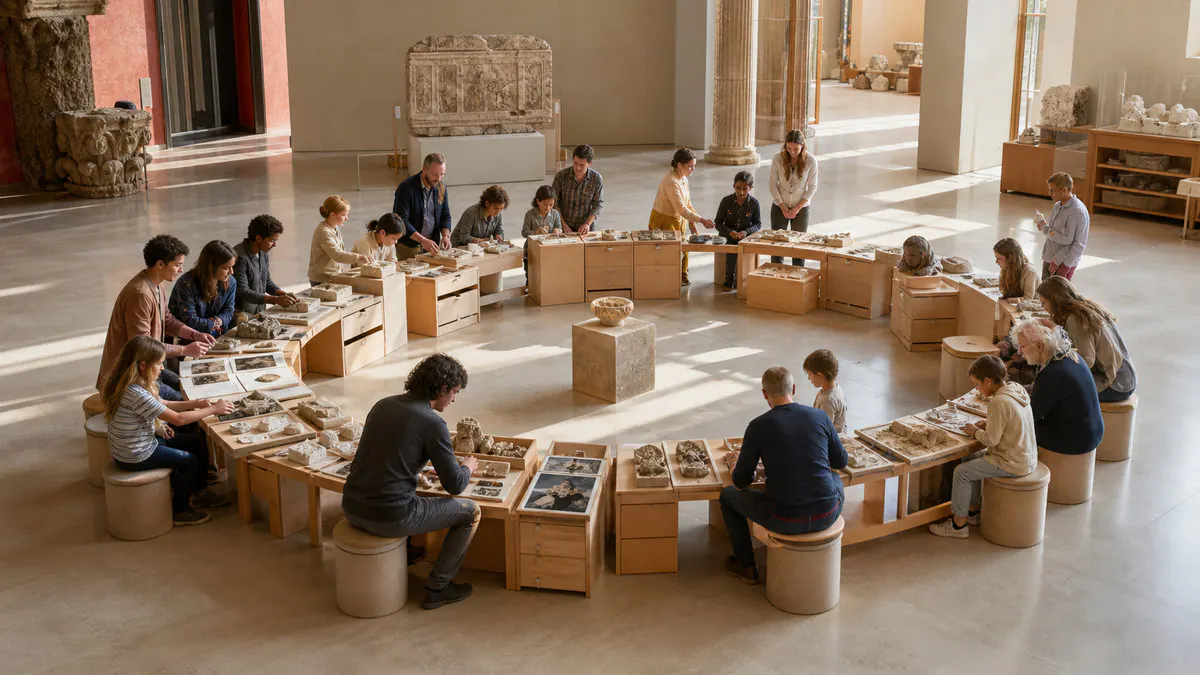
Museums are expanding from collection display toward learning, digital access, community exchange and multiple ways of interpreting heritage.
How Public Space Builds Social Connection
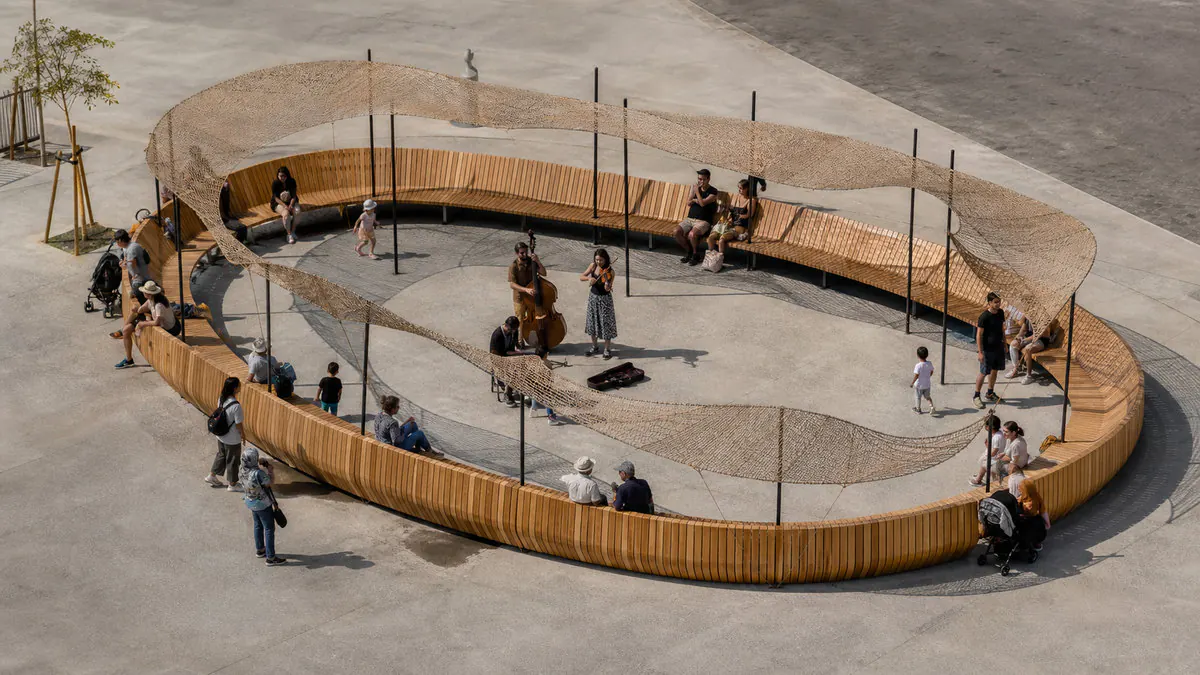
Successful public space makes room for staying, meeting, watching, resting and participating across age, income and culture.
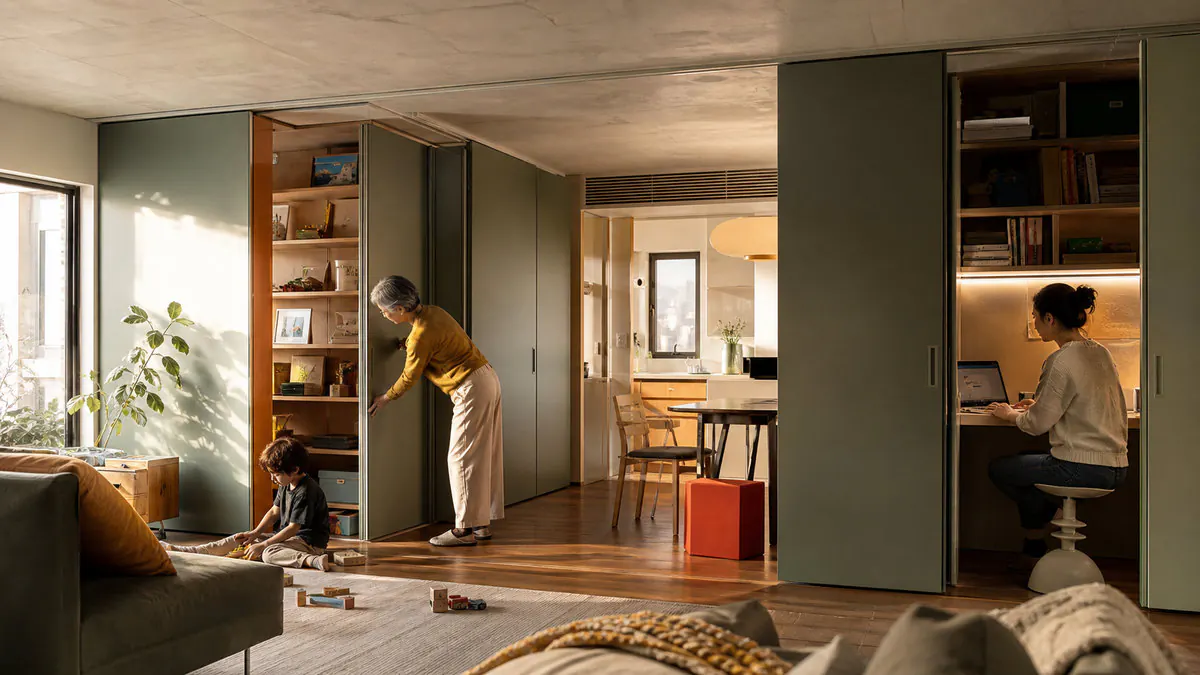
Human-Centred Housing as Everyday Infrastructure
Housing quality is measured through light, air, privacy, storage, adaptability, accessibility and the ability to remain at home through change.
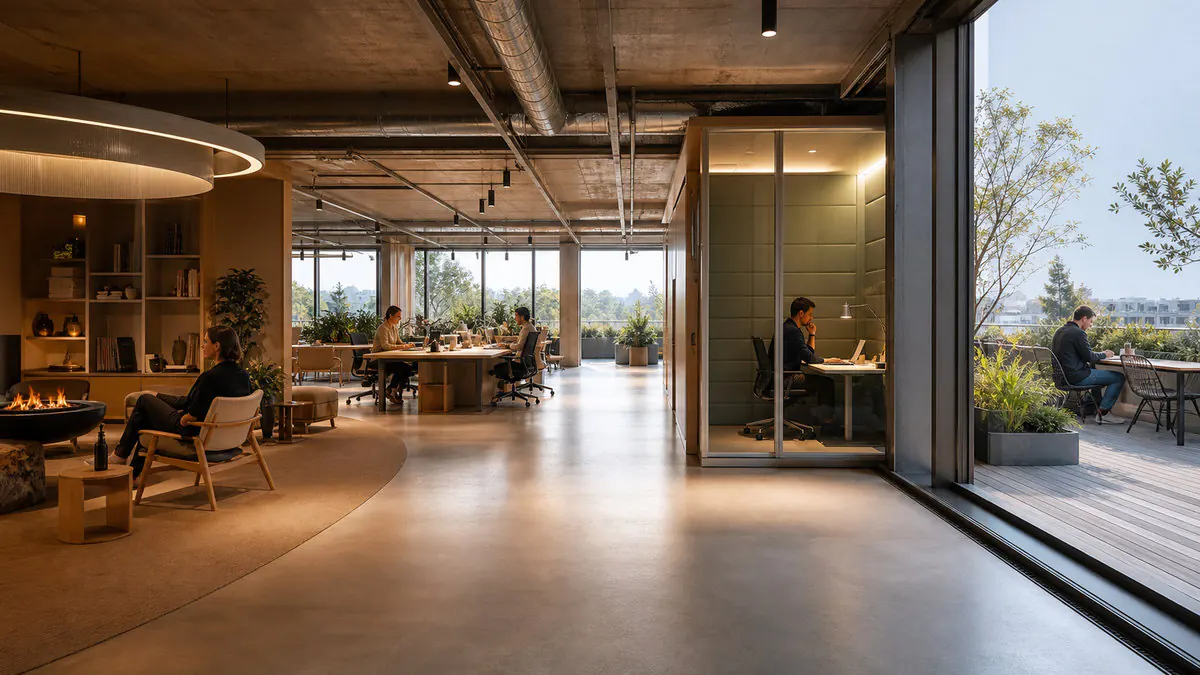
The Future Office as a Portfolio of Work Settings
Hybrid work shifts workplace design from fixed desks toward a portfolio for focus, collaboration, privacy, learning and social connection.

How Digital Twins Are Changing the Built Environment
A digital twin links asset information with changing operational data so teams can test, monitor and improve decisions over time.
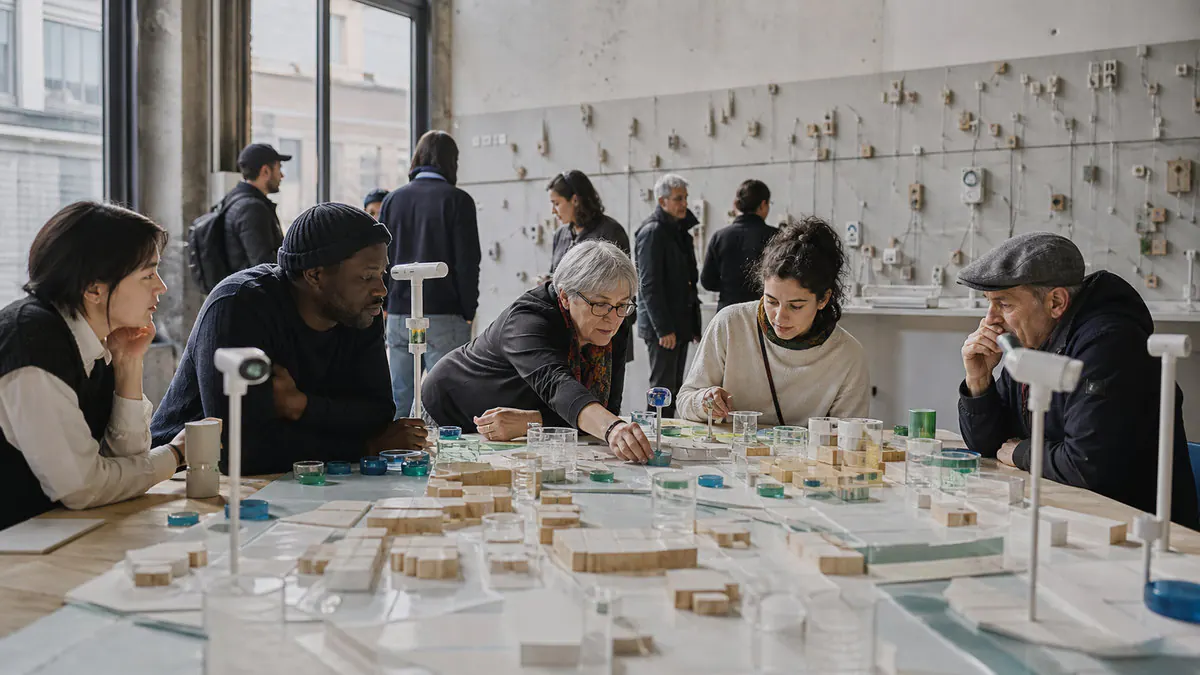
The Designer's Role in the Smart City
Smart-city design must translate sensors, platforms and algorithms into accountable public services that residents can understand and contest.
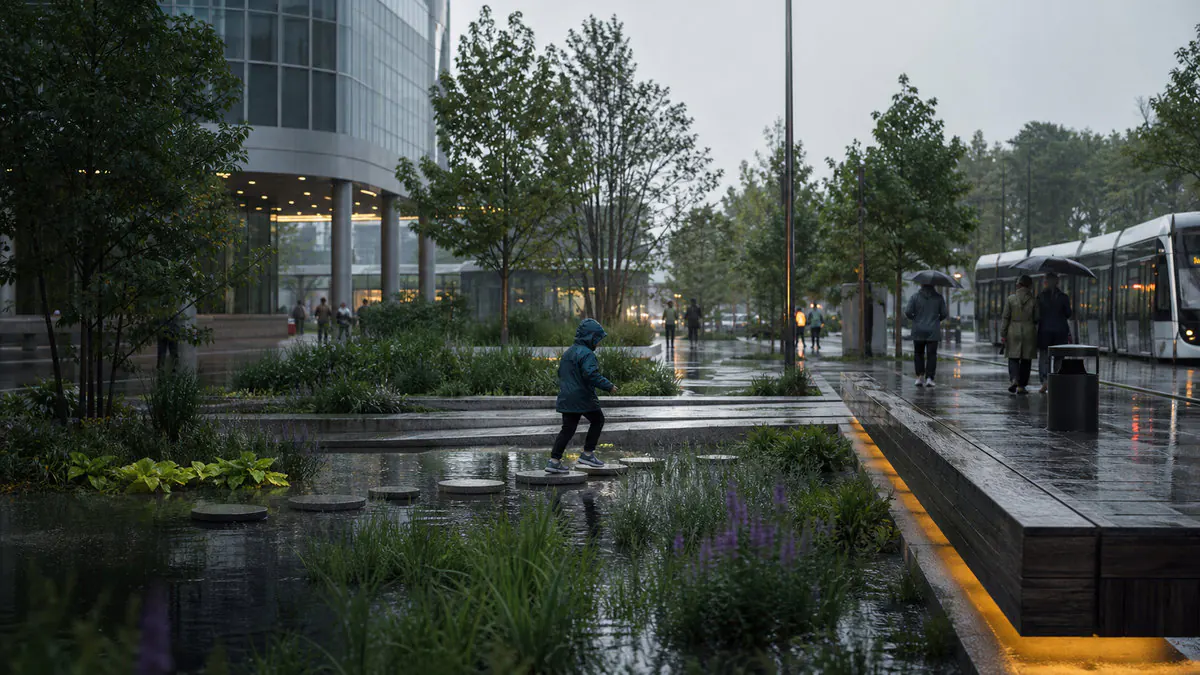
A Blue-Green Model for Urban Design
Blue-green infrastructure can turn flood management into public space, habitat and daily mobility rather than isolated engineering.
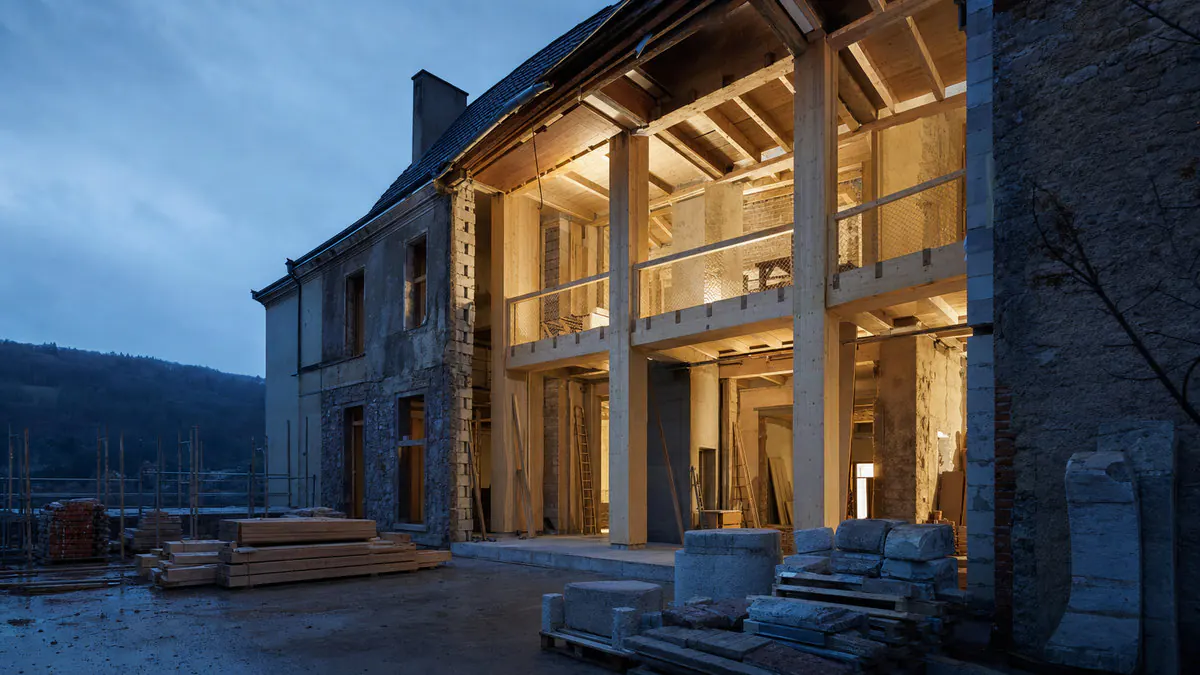
The Next Direction for Sustainable Architecture
The sector's strongest opportunity lies in reducing demand, upgrading existing buildings and measuring whole-life performance.
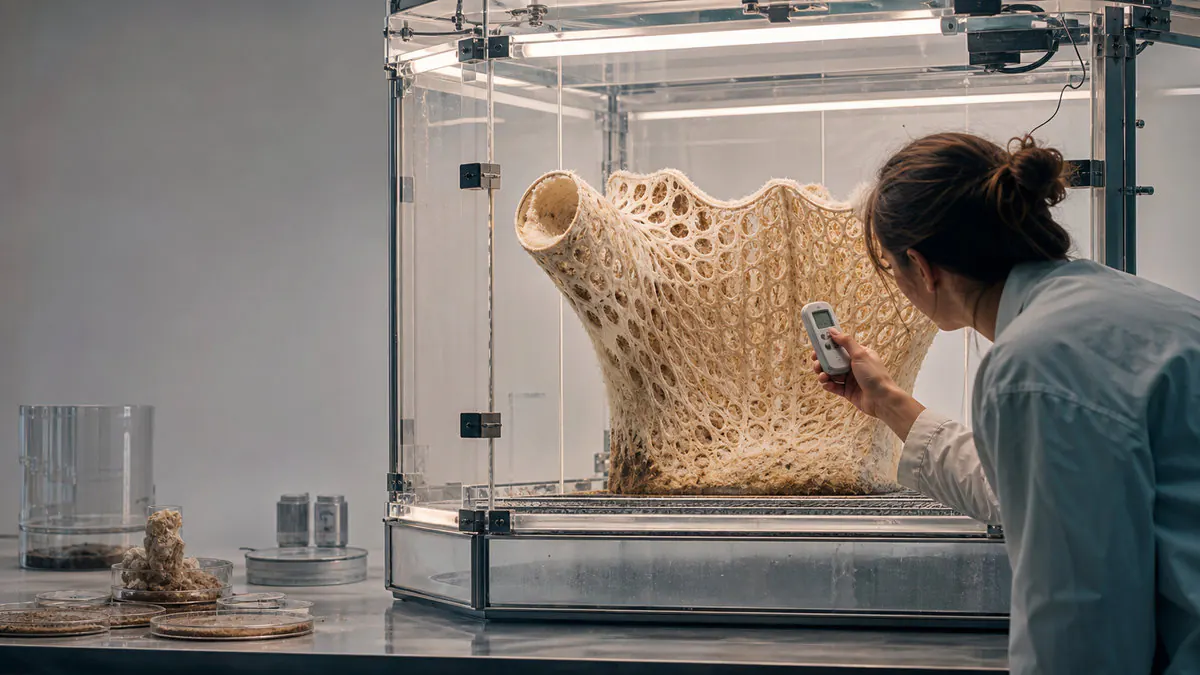
Biodesign and the Future of Grown Materials
Biodesign shifts part of the designer's work from shaping finished matter to managing growth conditions, variability and biological safety.
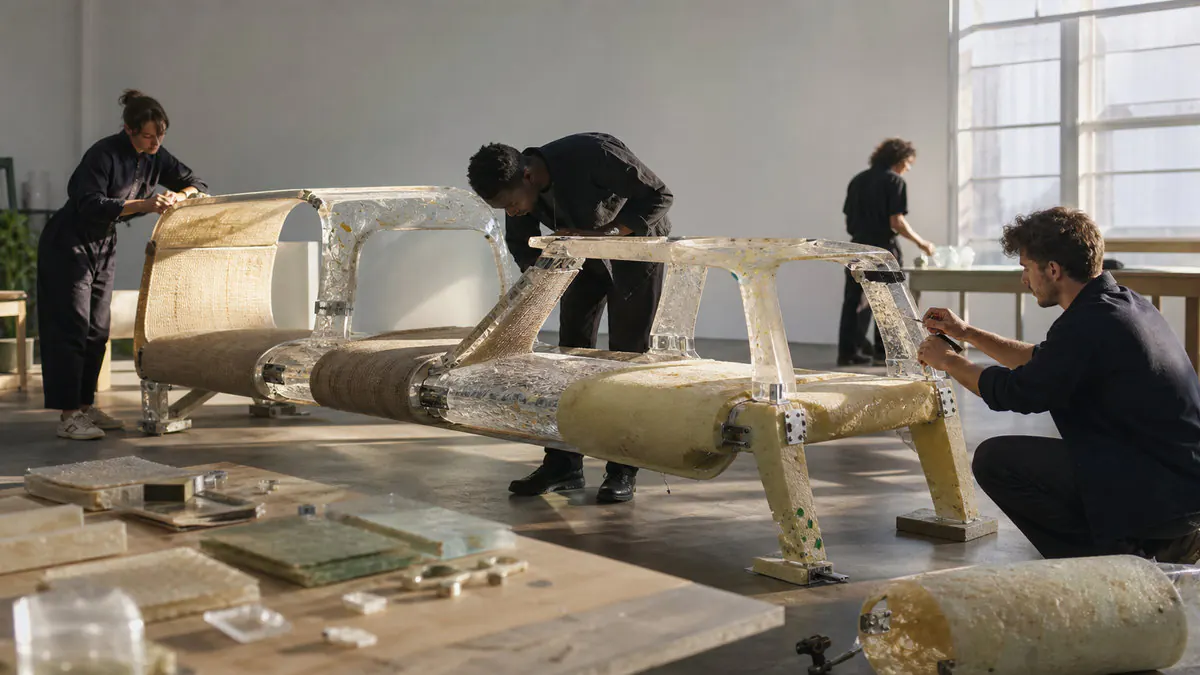
How New Materials Change Product Design
Recycled and lower-impact materials change structure, finish, manufacturing, repair and the stories a product can credibly tell.
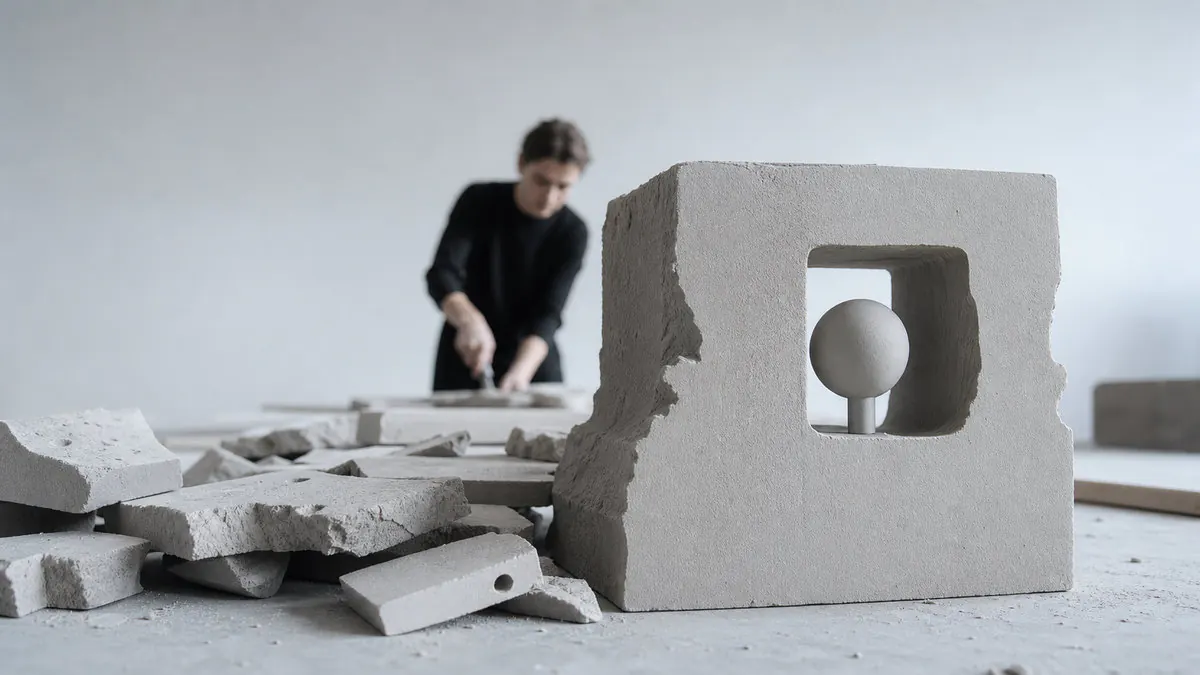
Minimalism After the Flat-Design Era
Contemporary minimalism should reduce cognitive load without hiding structure, status, consequences or essential controls.

How Emotional Design Shapes User Decisions
Emotion influences attention, confidence, memory and action, but it can support agency or manipulate vulnerability.
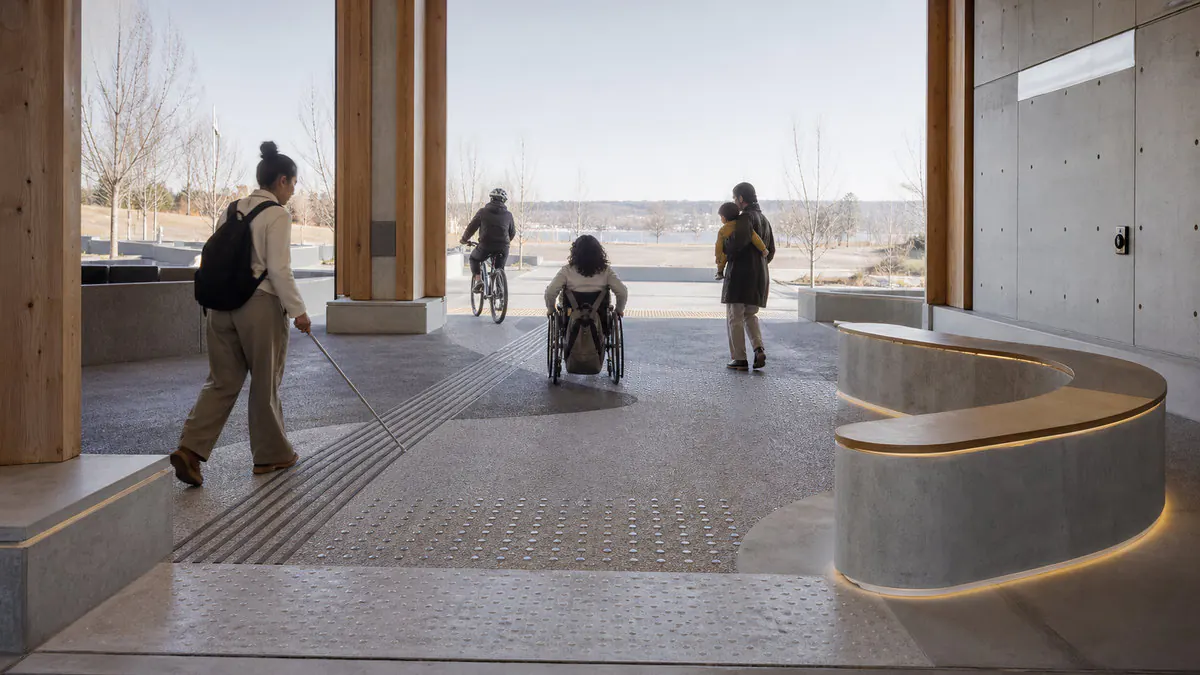
Accessibility Is Becoming a Global Design Standard
Accessibility is moving from a specialist checklist toward a legal, operational and quality requirement across products and services.

Auditing Intelligent User Experiences
AI-driven UX must be evaluated for control, explanation, error recovery, fairness and the consequences of being wrong.

New Signals in Digital Product Design
Digital products are becoming more adaptive, conversational and multimodal while facing stronger expectations for control, accessibility and transparency.
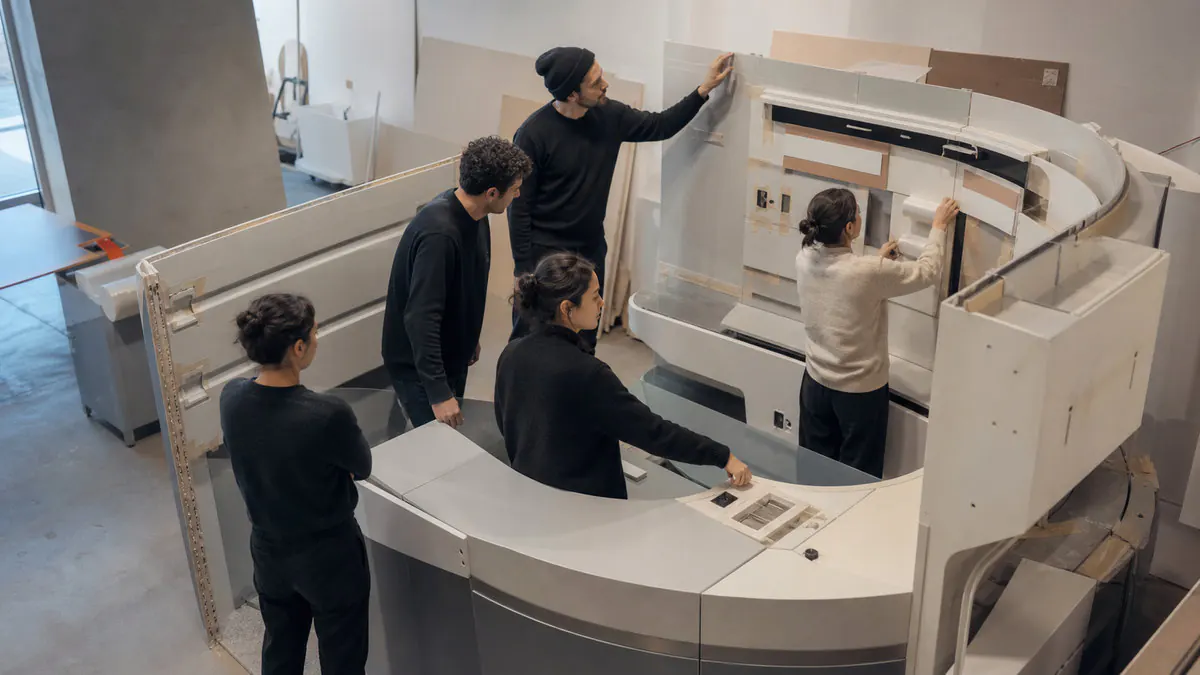
Design Thinking Beyond the Workshop
Design thinking creates value when it changes how an organisation tests assumptions and learns, not when it produces more workshops.
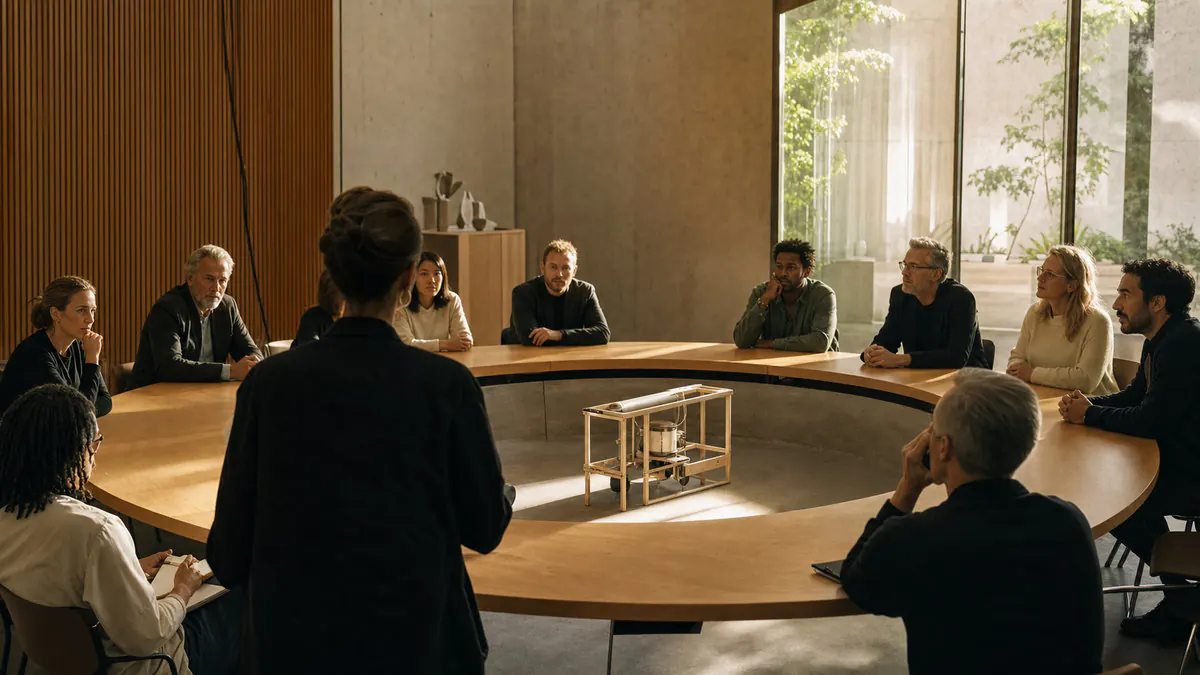
Design Leadership as Organisational Infrastructure
Design leadership connects customer evidence, portfolio choices, team capability and decision rights across an organisation.
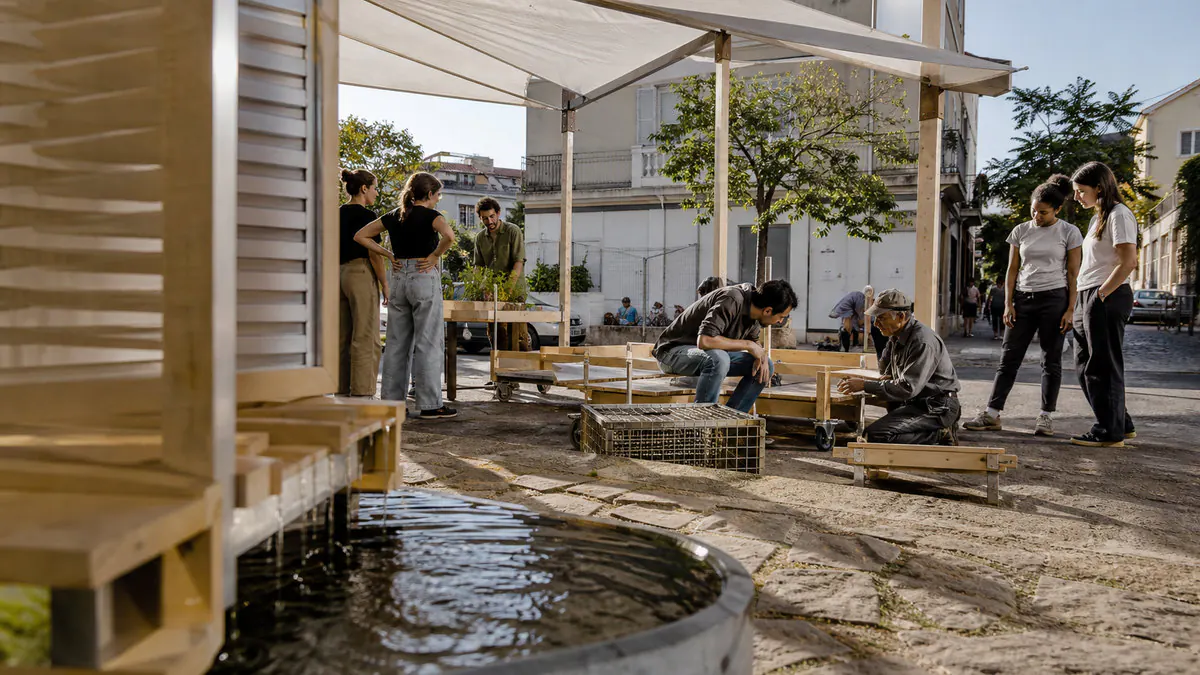
What Is Changing in Global Design Education
Design education is moving toward AI literacy, real constraints, process evidence and collaboration across disciplines.
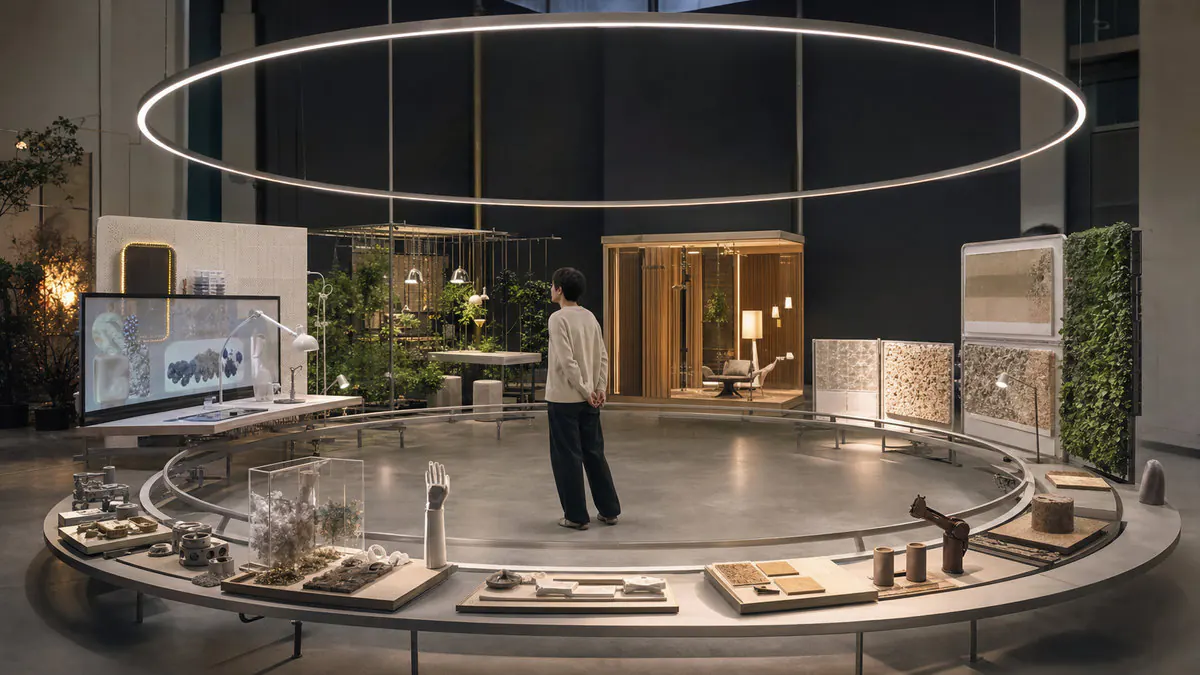
Five-Year Design Futures: Scenarios, Not Predictions
Design forecasting is more useful as a set of testable scenarios than as a list of inevitable trends.

Design Value in the Experience Economy
Experience is produced by operations, timing, people and recovery—not by atmosphere alone. Design must connect emotional meaning with service reliability.
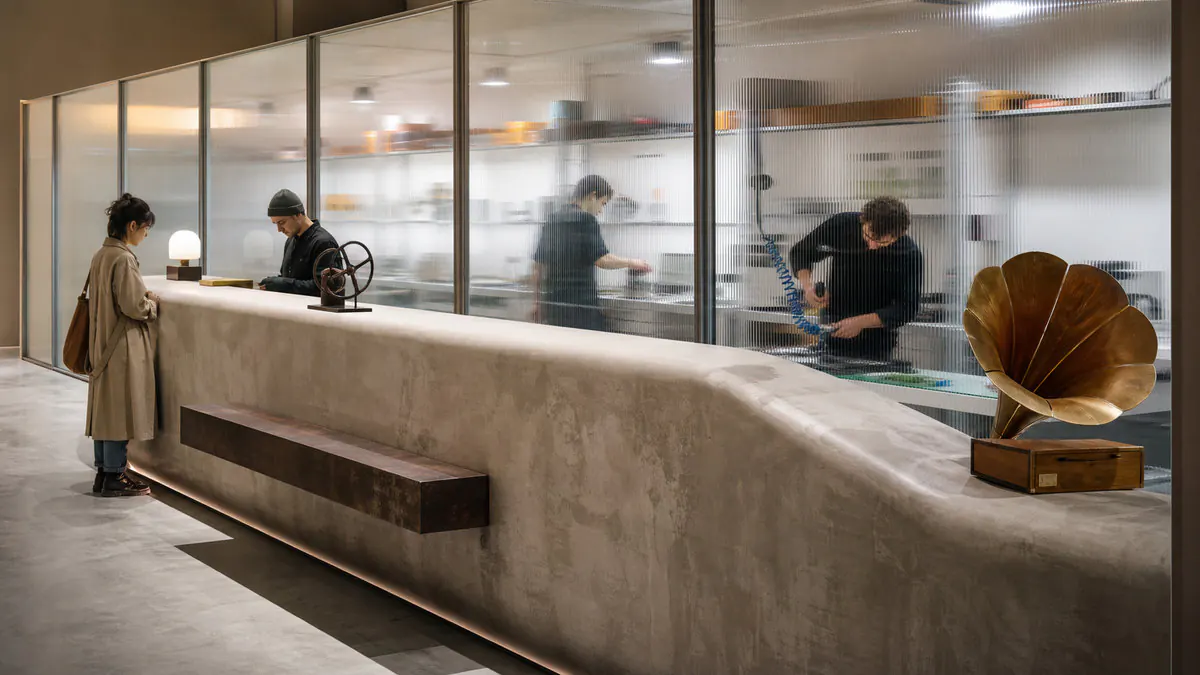
From Product Design to Service Design
Service design expands the unit of design from an artefact or interface to the complete journey, backstage operations and organisational responsibility.
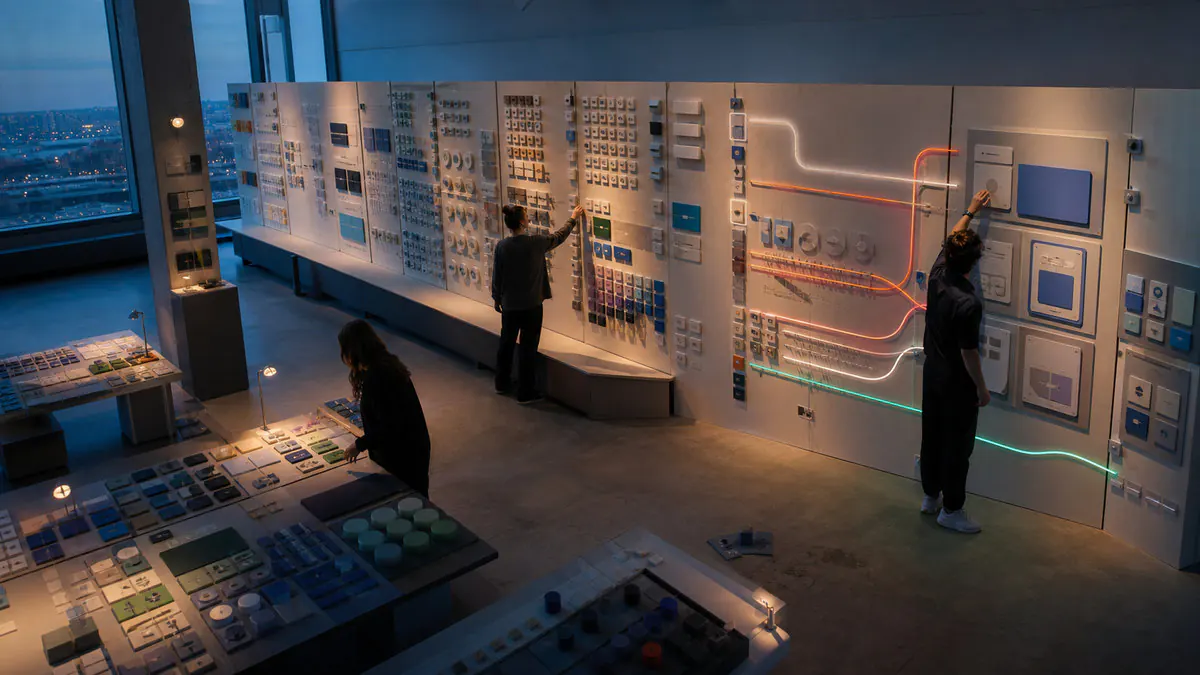
How Design Systems Scale Innovation
A design system can reduce duplicated decisions and improve accessibility, but only when it is governed as a living product rather than a component library.
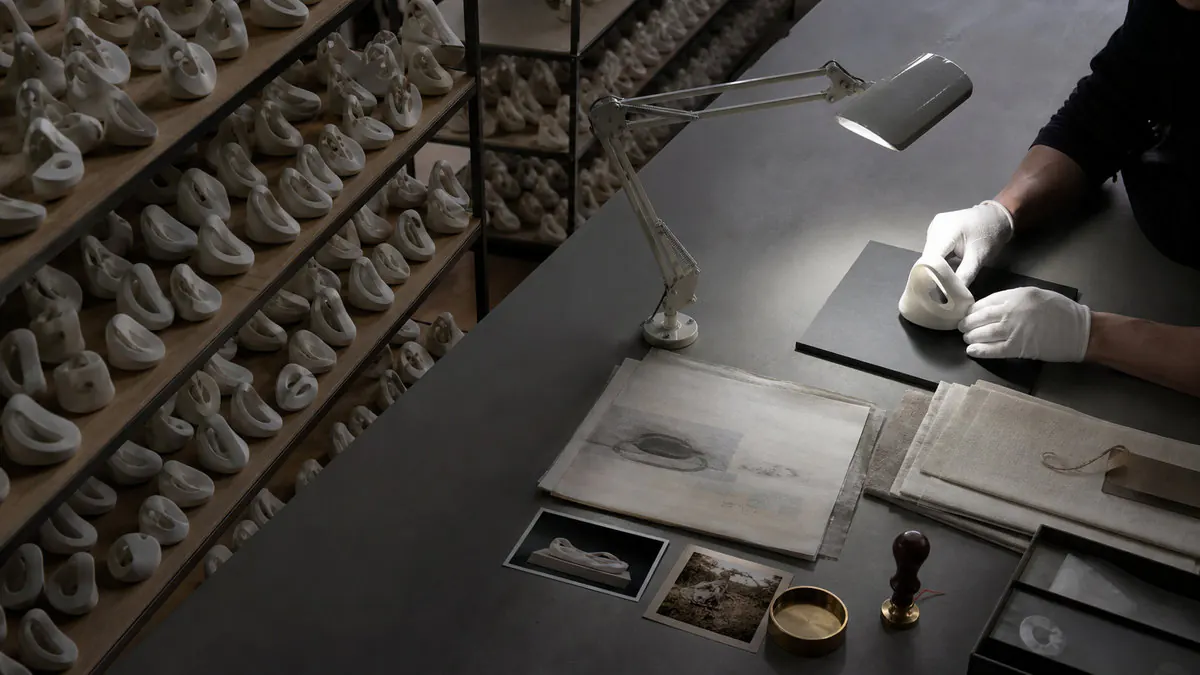
Will Generative Design Reshape the Creative Industries?
Generative systems change production economics, authorship and the visibility of sources. Their effect depends on contracts, labour practices and provenance infrastructure as much as model capability.
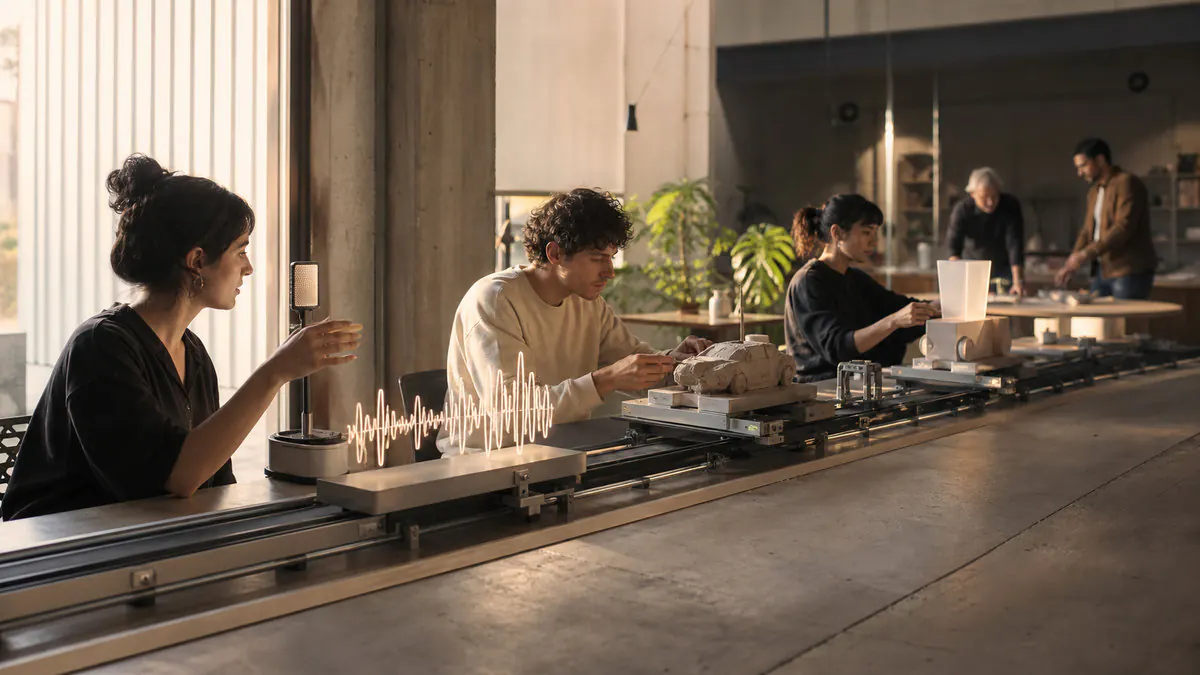
AI Design Tools: From Image Generation to Workflow Infrastructure
AI tools are moving from isolated outputs into research, prototyping, editing, versioning and team governance.
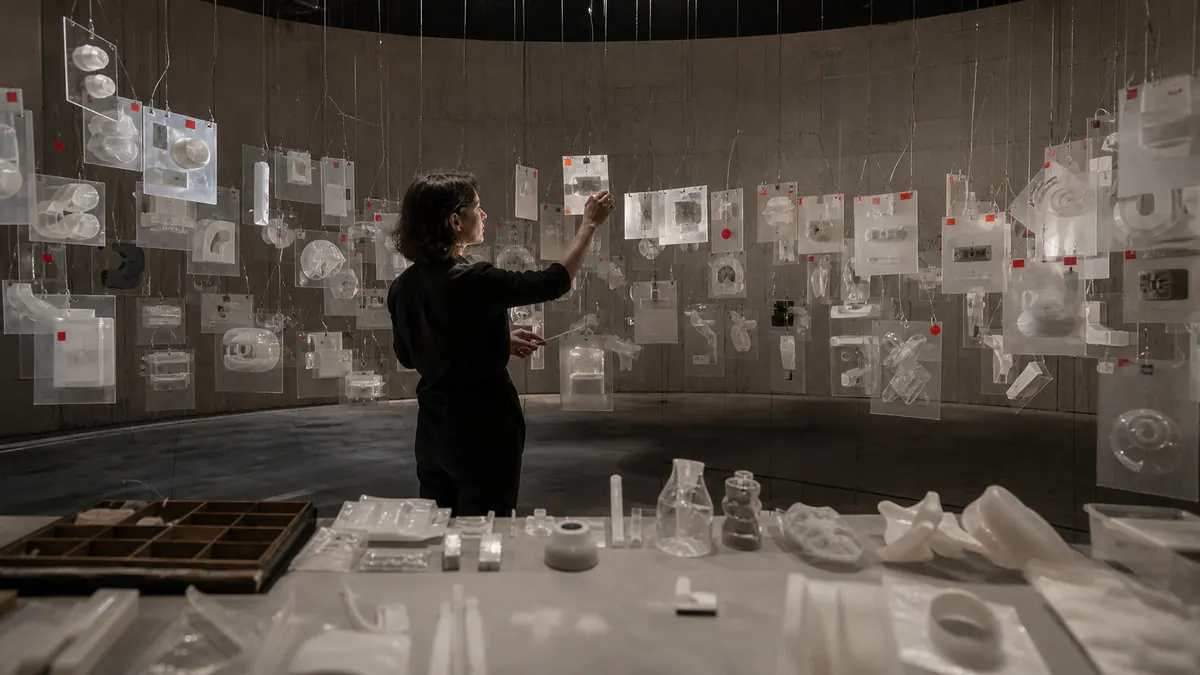
The Designer's New Role in the Age of AI
As generative tools absorb parts of execution, designers increasingly frame problems, curate outputs, audit risk and explain consequential choices.
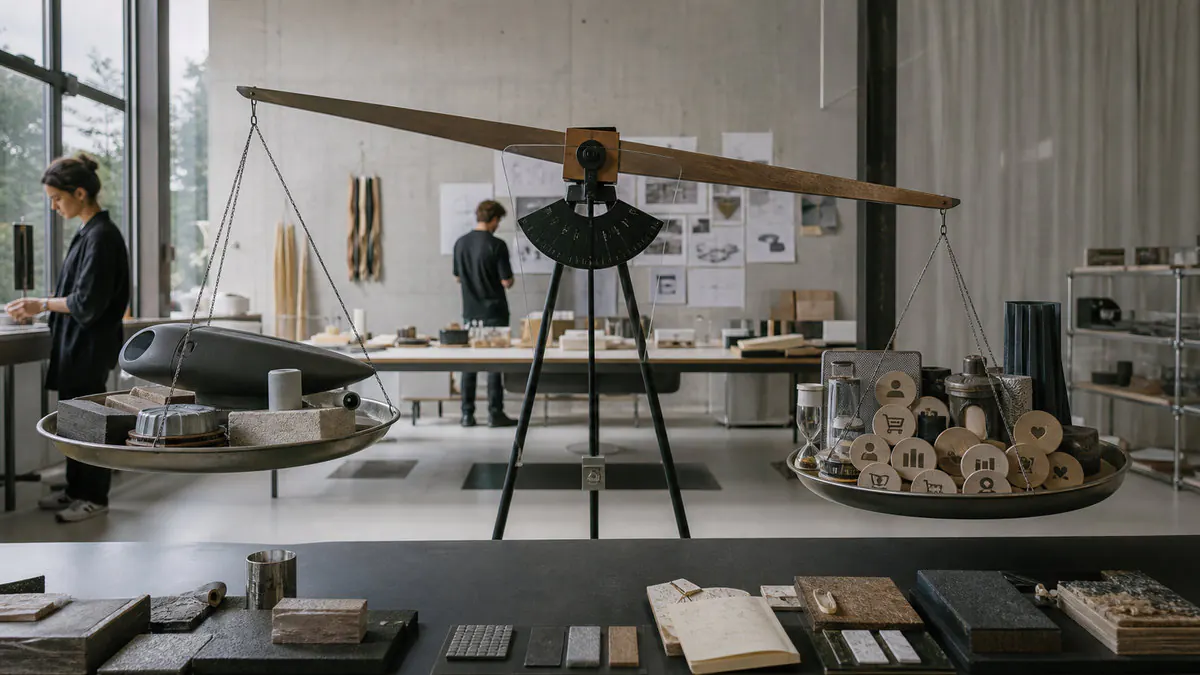
Measuring Design Return Without Inventing Causality
Design value should be measured through a chain from intervention to user behaviour, operational effect and business or public outcome.
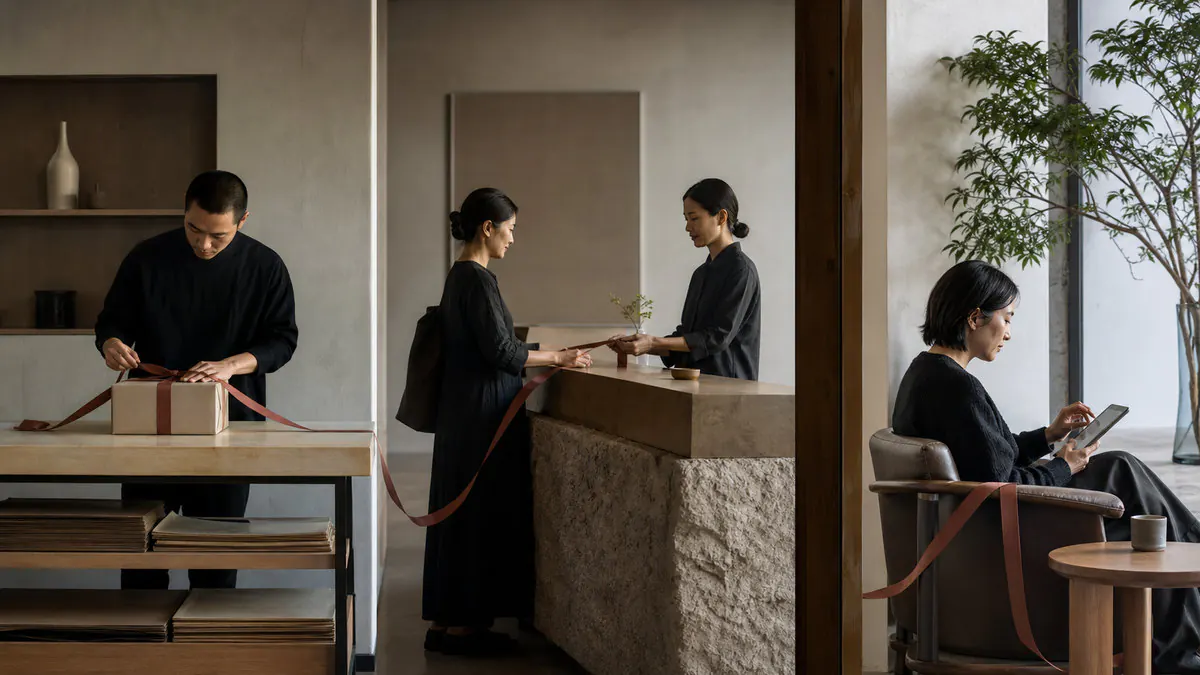
Brand Experience in 2024: Beyond Visual Identity
Brand experience now spans products, service recovery, spaces, membership, digital journeys and the trust created between them.

Apple, Nike and Dyson: Three Different Design Advantages
These companies are often grouped as design-led brands, yet their advantages arise from different systems: ecosystem continuity, cultural participation and engineering translated into use.
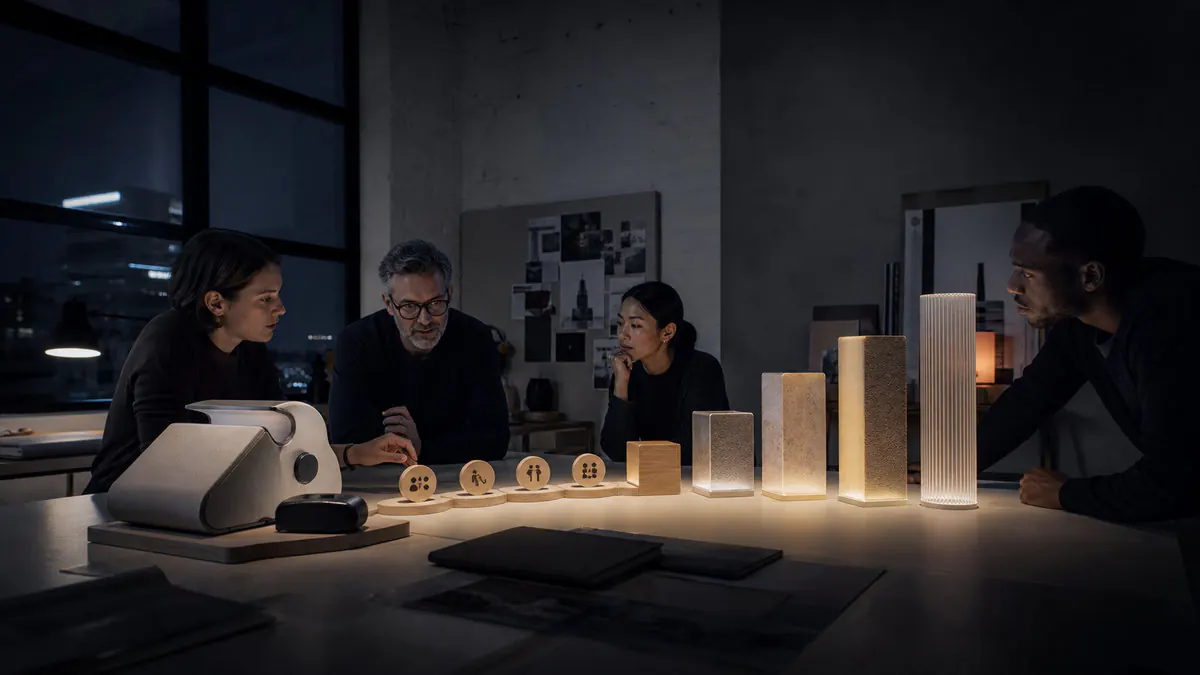
Design-Led Growth: Why Organisations Need Design Strategy
Design strategy does not guarantee growth. Its defensible value is reducing avoidable investment, revealing service friction and connecting user outcomes with operational decisions.
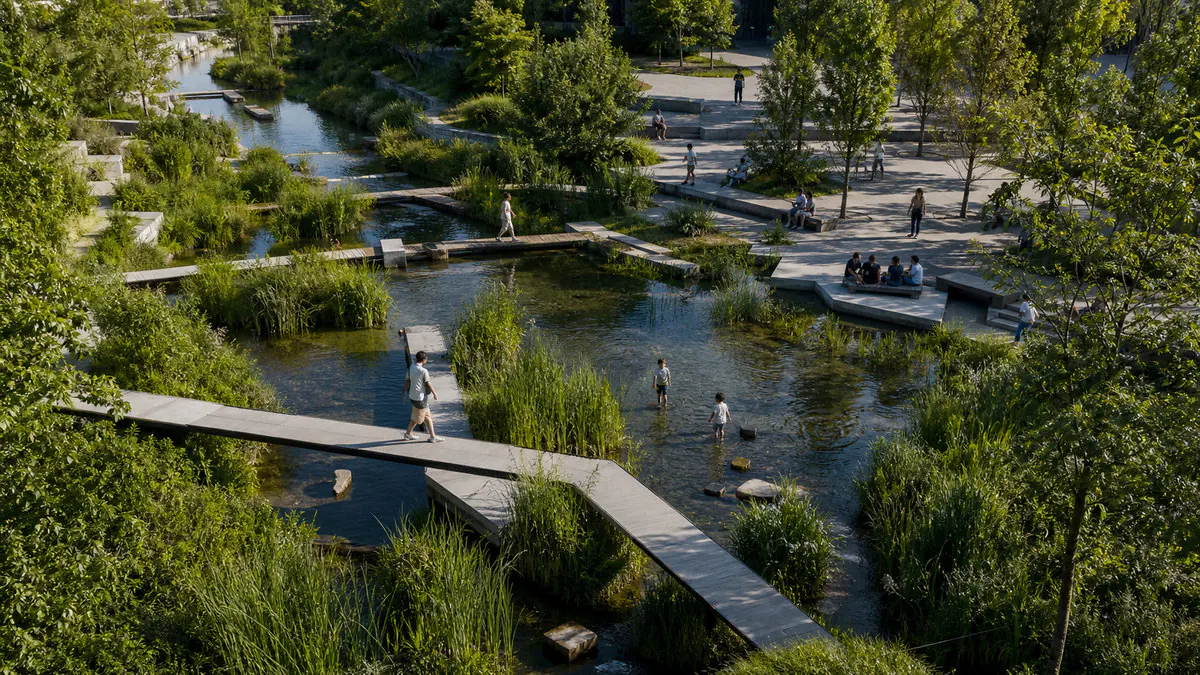
Future Cities: Reconnecting Urban Life and Nature
Nature-based urban design can combine flood resilience, biodiversity, mobility, public health and social life instead of treating landscape as decoration.
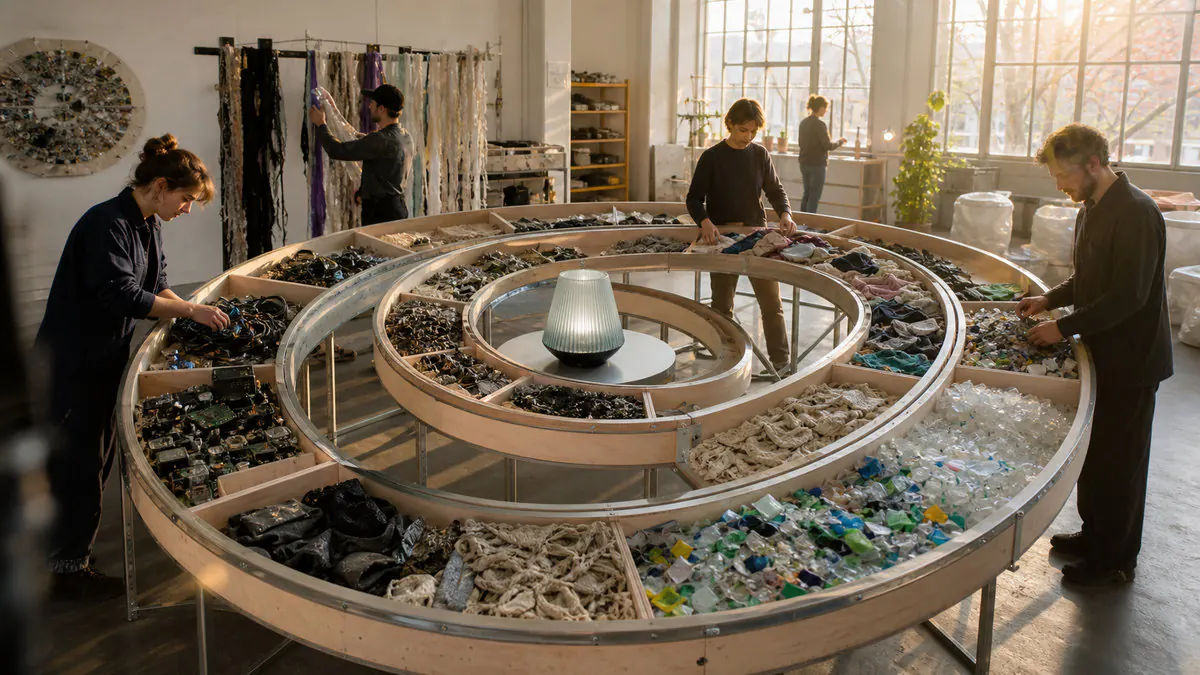
Circular Design: Turning Waste into Continuing Value
Circular design shifts attention from a product's launch to the full chain of extraction, manufacture, use, repair, resale and material recovery.
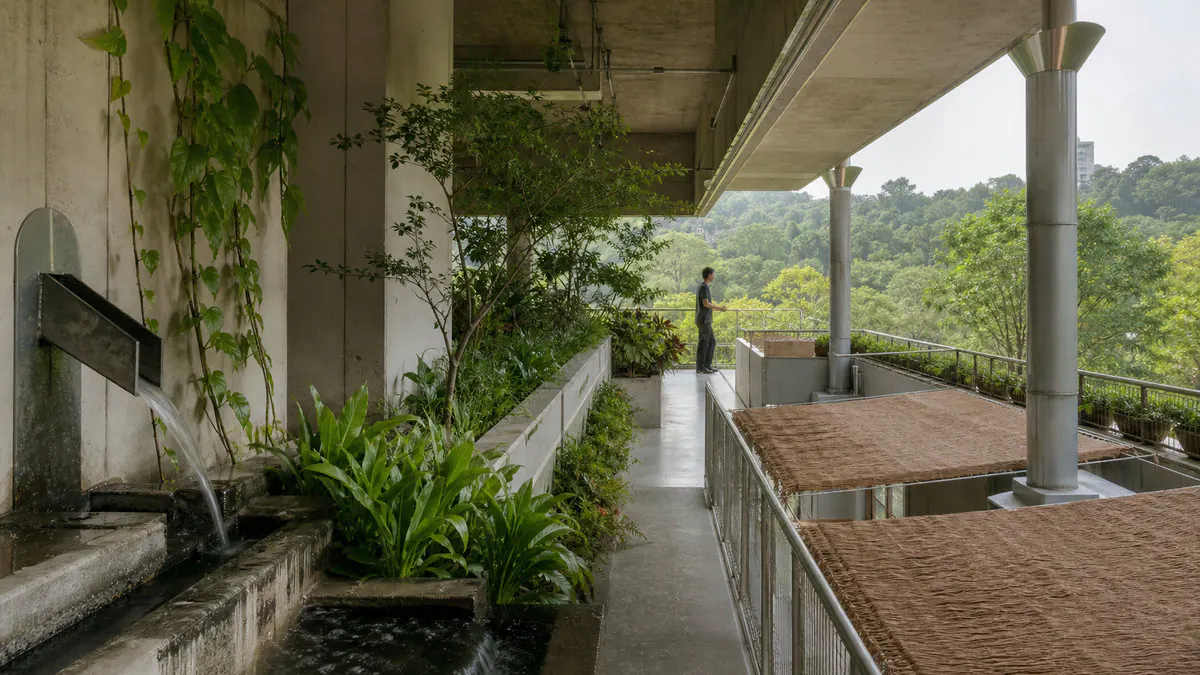
Architecture as an Ecological Operating System
A building is not only a finished form. It is a long-lived system of structure, energy, water, biodiversity, maintenance and everyday behaviour.
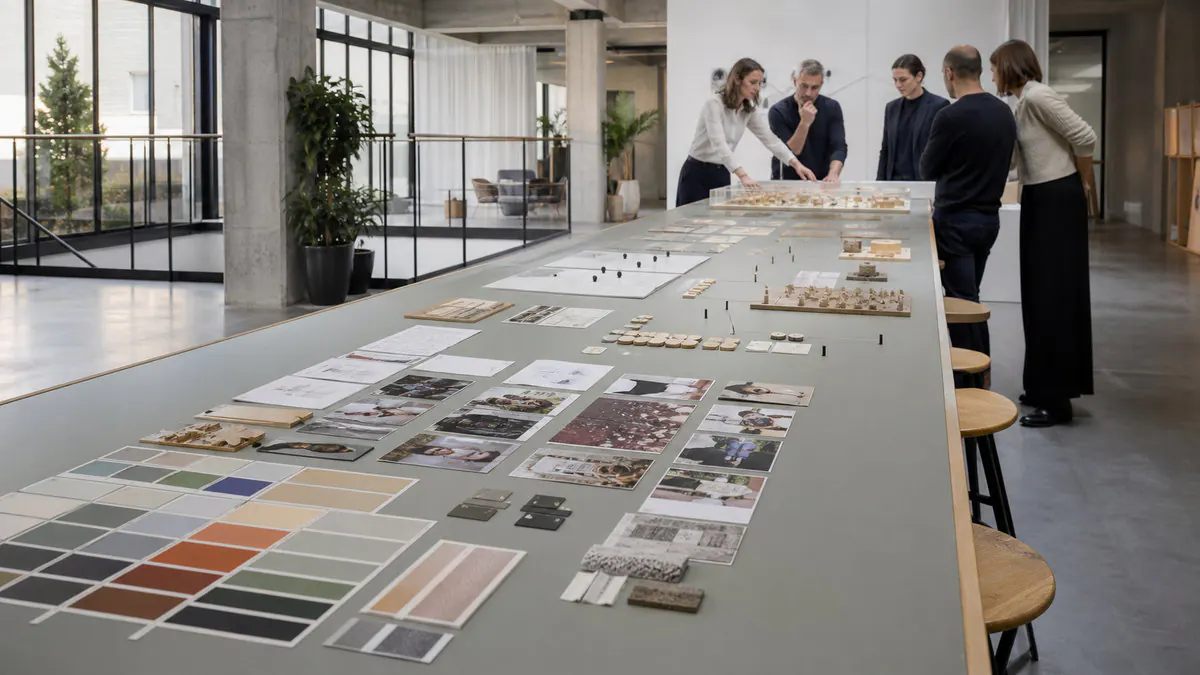
From Visual Practice to Strategic Design
The designer's role is expanding from producing visible outputs to shaping service decisions, evidence, organisational alignment and long-term outcomes.
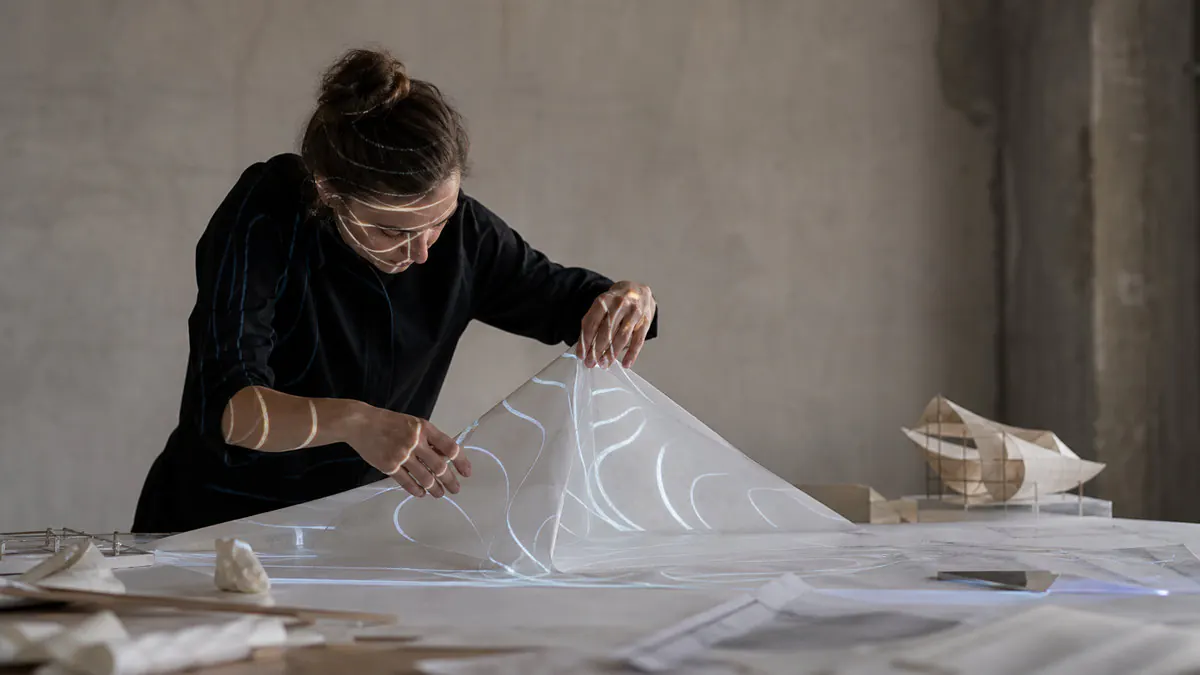
How Generative AI Is Rewriting the Creative Workflow
Generative AI changes more than production speed. It turns design into a repeated cycle of framing, generating, selecting, editing and taking responsibility for the result.
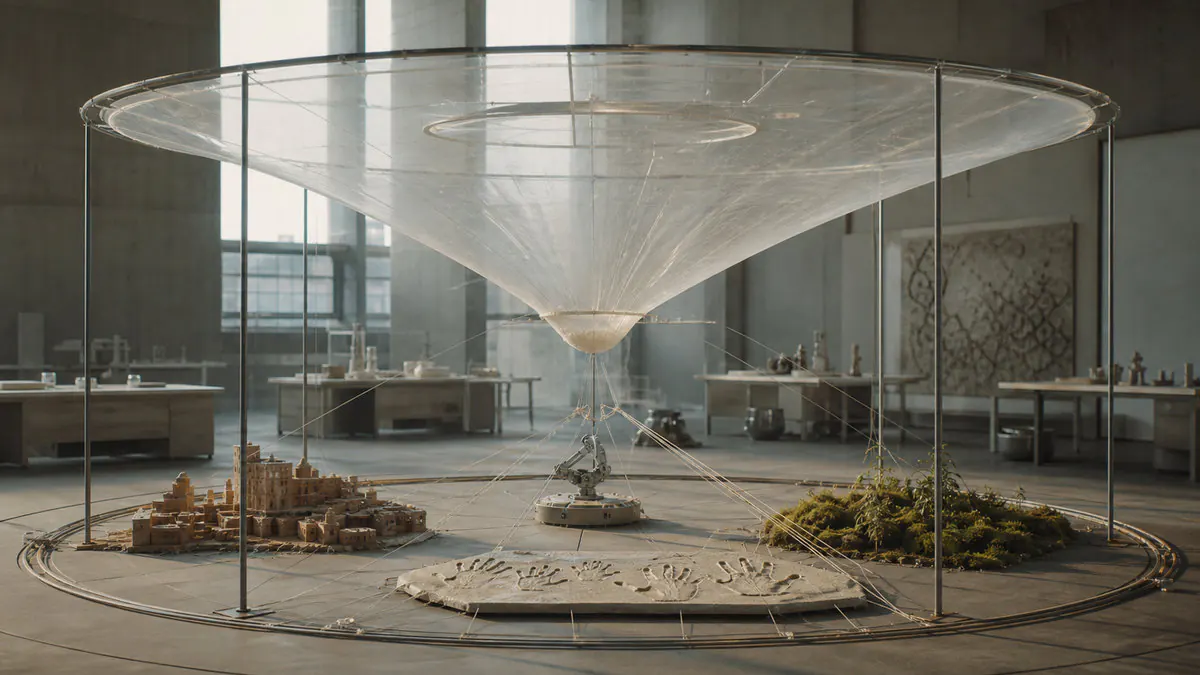
Global Design Outlook 2024: From Objects to System Innovation
Design in 2024 is being asked to connect technology, climate responsibility, business decisions and public value. This outlook treats the year as a convergence of signals rather than a universal turning point.