Research Brief
The sector's strongest opportunity lies in reducing demand, upgrading existing buildings and measuring whole-life performance.
The Next Direction for Sustainable Architecture begins with a simple premise: design quality is revealed over time and across a complete system, not only in the launch image. Deep energy retrofit is examined as a working example of how that premise enters practice.
Project Lens: Deep energy retrofit
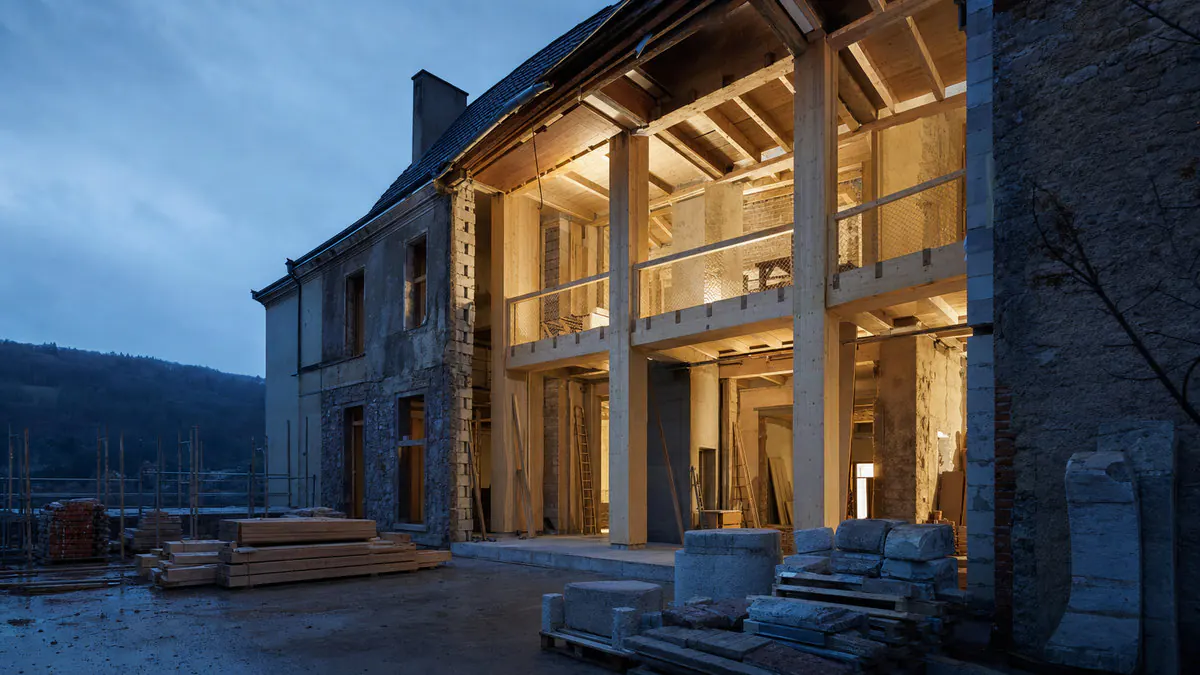
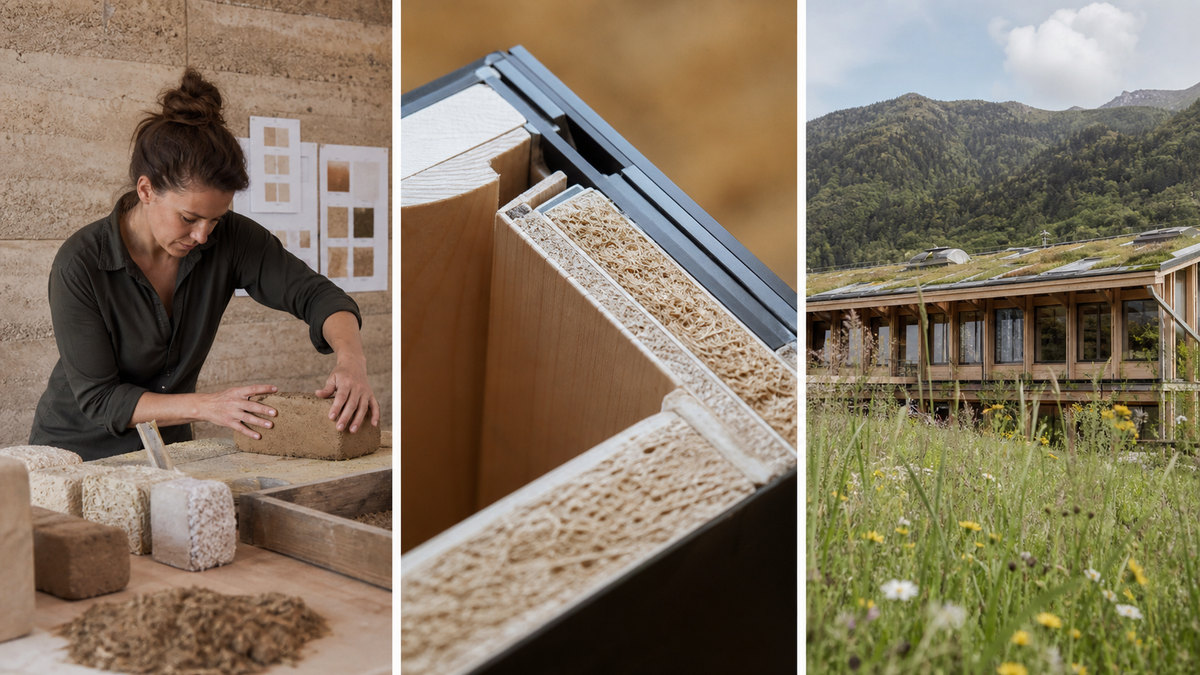
Retrofit combines envelope improvement, efficient systems and operational learning while preserving embodied carbon already invested in a structure.
Retrofit combines envelope improvement, efficient systems and operational learning while preserving embodied carbon already invested in a structure. The relevant question is which parts of the result can be traced to intentional design decisions and which remain dependent on context. The cited record—GlobalABC — Global Status Report for Buildings and Construction 2024/25; IEA — Buildings; Energy Efficiency Hub — Deep Retrofit Models: A Global Perspective; IEA and ASEAN — Roadmap for Energy-Efficient Buildings—provides the basis for that distinction.
Evidence Boundary
Modelled savings are not measured outcomes, and refurbishment can displace occupants or create affordability risks.
Modelled savings are not measured outcomes, and refurbishment can displace occupants or create affordability risks. Readers should therefore separate what the case demonstrates, what its authors claim and what AURELIS infers from the available evidence.
Operational Checklist
Audit the existing building, prioritise passive measures, protect occupants, model embodied and operational carbon, commission systems, and publish post-occupancy data.
Audit the existing building, prioritise passive measures, protect occupants, model embodied and operational carbon, commission systems, and publish post-occupancy data. This creates a practical audit trail and gives teams a way to revisit trade-offs when conditions, technologies or stakeholder expectations change.
AURELIS Position
The greenest architectural gesture may be the decision to retain and improve what already exists.
The greenest architectural gesture may be the decision to retain and improve what already exists. Seen this way, professional credibility comes from exposing the reasoning behind a decision, including the unresolved questions that remain after publication.
Keywords
Retrofit / Whole-life Carbon / Building Performance / Equity