The Question
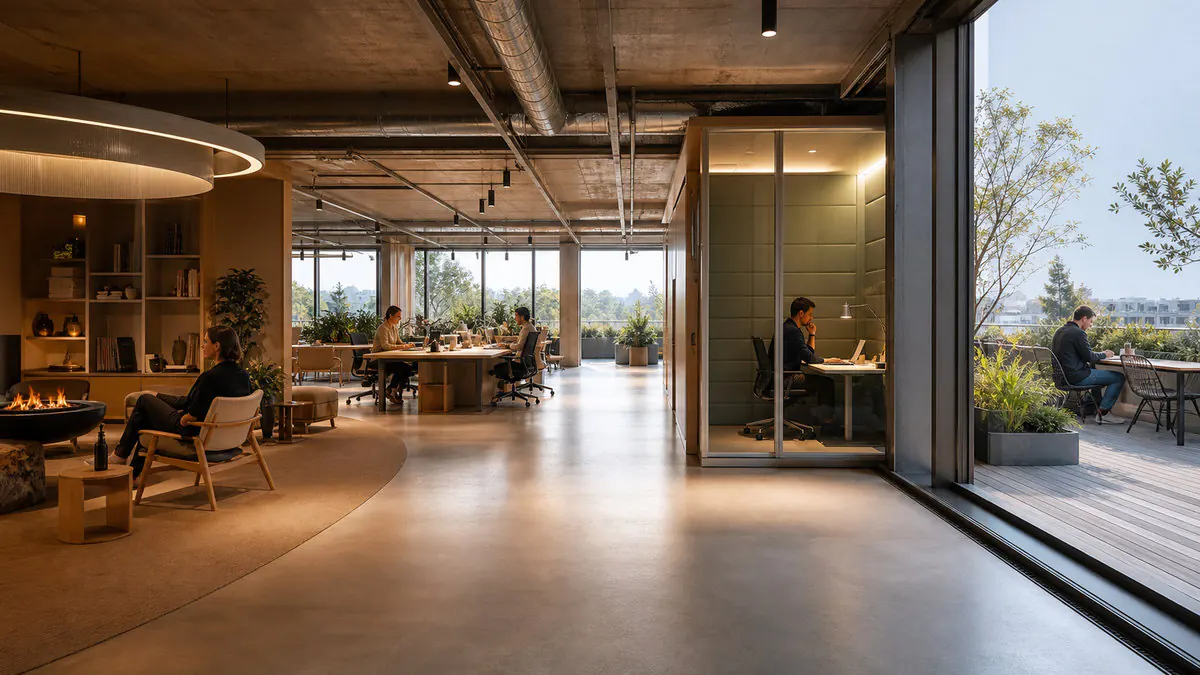
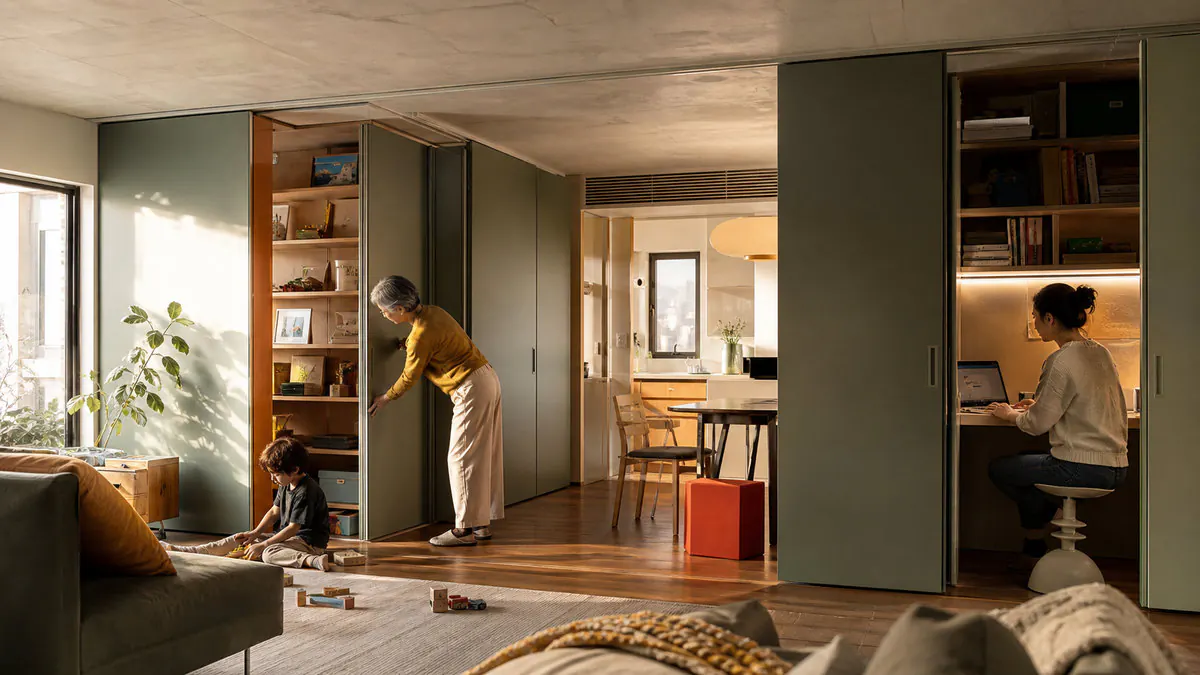
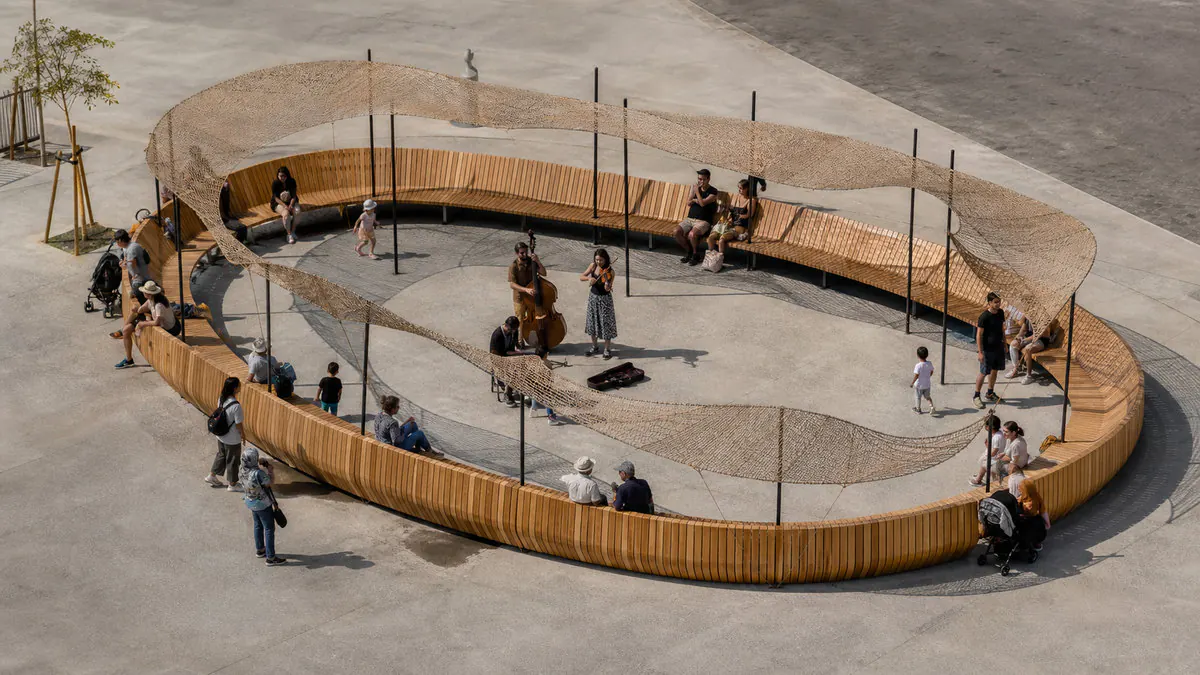
Successful public space makes room for staying, meeting, watching, resting and participating across age, income and culture.
How Public Space Builds Social Connection is approached here as a question of design judgement: what must be protected, what can change, and who carries the consequences. Bryant Park provides a concrete point of entry, while the wider argument remains attentive to differences in market, culture and regulation.
Case File: Bryant Park
Its transformation is often associated with movable seating, active edges, programming and intensive daily management.
Its transformation is often associated with movable seating, active edges, programming and intensive daily management. What matters is not the visibility of the project alone, but the relationship between its public promise and the system required to deliver it. The record is read together with UN-Habitat — Public Space; UN-Habitat — City-wide Public Space Assessment Toolkit; Bryant Park — History of Bryant Park: Modern Times; Bryant Park — Transformation into the Center of Midtown.
Critical Distance
A managed central-city park cannot be copied without considering governance, exclusion, commercial pressure and local need.
A managed central-city park cannot be copied without considering governance, exclusion, commercial pressure and local need. That limitation is consequential: it prevents company language, awards or launch coverage from being mistaken for independent proof of long-term performance.
Working Method
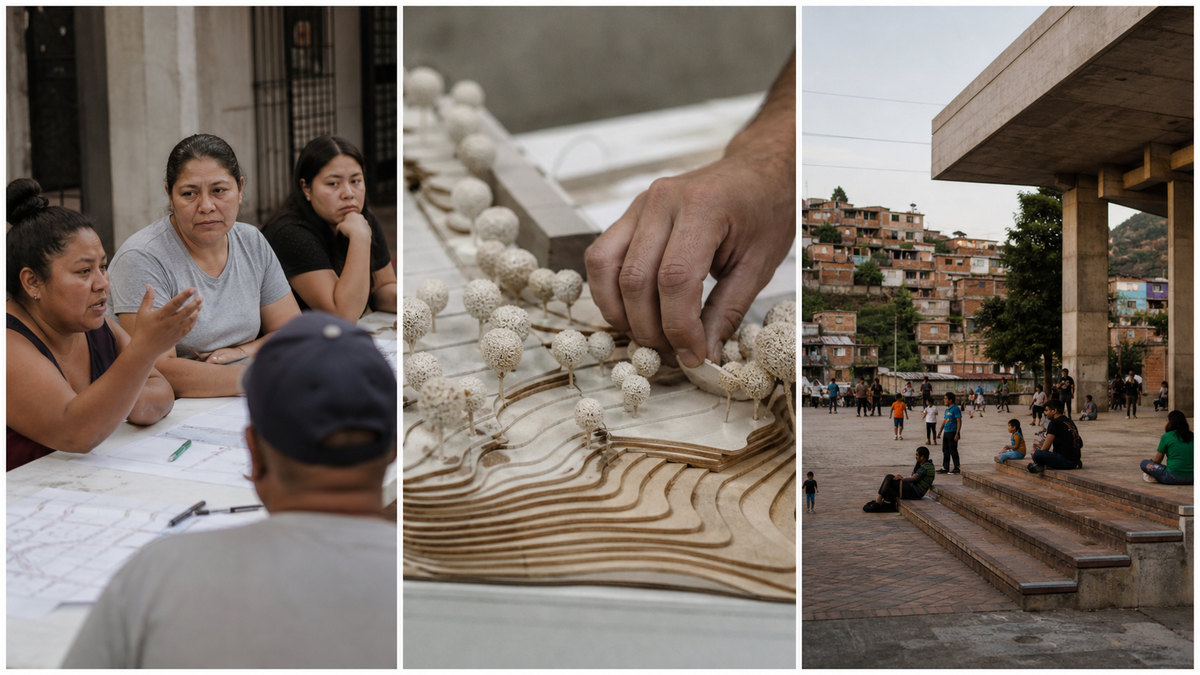
Observe behaviour by time and group, provide choice and comfort, design accessible edges, fund maintenance, publish rules, and evaluate who feels welcome.
Observe behaviour by time and group, provide choice and comfort, design accessible edges, fund maintenance, publish rules, and evaluate who feels welcome. The sequence should be documented as work proceeds so that later evaluation can compare the delivered result with the original assumptions.
AURELIS Position
Public life is produced as much by stewardship as by physical form.
Public life is produced as much by stewardship as by physical form. This is less a stylistic preference than a standard for accountable practice, especially when design choices affect people who were not present in the room.
Keywords
Public Space / Social Connection / Stewardship / Placemaking