The Question
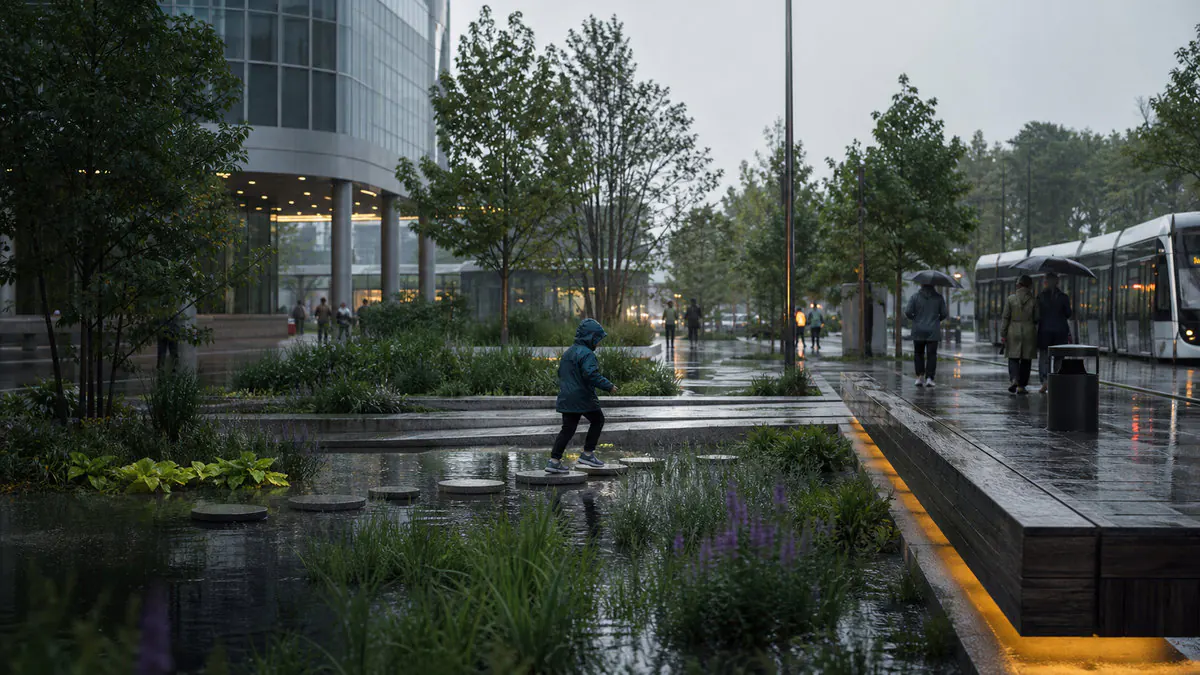
Nature-based urban design can combine flood resilience, biodiversity, mobility, public health and social life instead of treating landscape as decoration.
At the centre of Future Cities: Reconnecting Urban Life and Nature is a governance problem: how design intent survives contact with budgets, operations, maintenance and unequal power. The discussion uses Bishan–Ang Mo Kio Park, Singapore to keep that problem concrete.
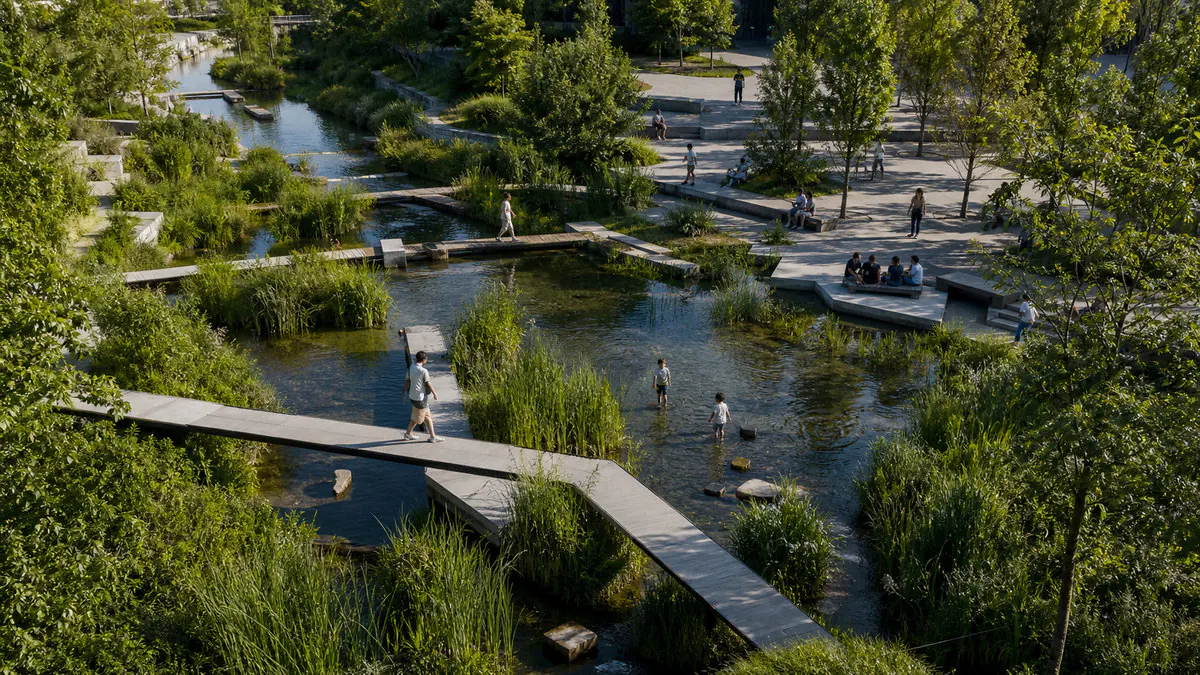
Case File: Bishan–Ang Mo Kio Park, Singapore
A concrete drainage channel was transformed into a naturalised river and public park, linking water management with accessible recreation and habitat.
A concrete drainage channel was transformed into a naturalised river and public park, linking water management with accessible recreation and habitat. This makes the case valuable for professional study, although the surrounding conditions must remain part of the reading. The primary references for this account are WHO Europe — Urban Green Spaces and Health; Singapore PUB — Active, Beautiful, Clean Waters; Ramboll — Bishan-Ang Mo Kio Park; UN-Habitat — Public Space.
Critical Distance
A celebrated project does not establish citywide success; rainfall, maintenance, ecology and access must be evaluated across seasons and neighbourhoods.
A celebrated project does not establish citywide success; rainfall, maintenance, ecology and access must be evaluated across seasons and neighbourhoods. Without that qualification, a visible outcome can too easily be detached from the labour, regulation and ongoing support that make it possible.
Working Method
Design at watershed scale, keep flood routes legible, connect habitats, plan long-term stewardship, monitor ecological and social use, and protect equitable access.
Design at watershed scale, keep flood routes legible, connect habitats, plan long-term stewardship, monitor ecological and social use, and protect equitable access. The method distributes responsibility across the lifecycle instead of placing it solely on the moment of concept approval.
AURELIS Position
The future city is not simply smarter. It is better able to absorb change while keeping everyday public life humane.
The future city is not simply smarter. It is better able to absorb change while keeping everyday public life humane. The larger implication is that design leadership must remain answerable for what happens after the visual system, building, product or service enters use.
Keywords
Nature-based Solutions / Flood Resilience / Public Space / Urban Ecology