Editorial Premise
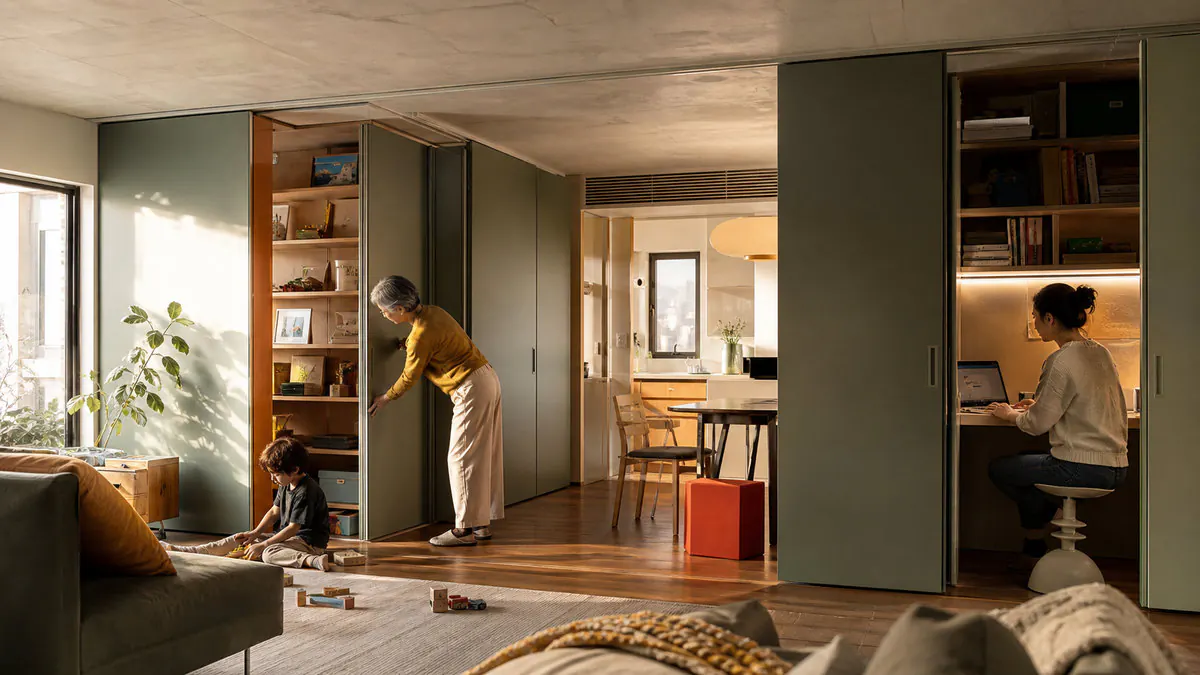
Housing quality is measured through light, air, privacy, storage, adaptability, accessibility and the ability to remain at home through change.
Read through the lens of Grand Parc Bordeaux transformation, this article examines where human-centred housing as everyday infrastructure becomes an operational question rather than a slogan. The aim is to connect the visible design outcome with the decisions, responsibilities and constraints that produced it.
Evidence in Focus: Grand Parc Bordeaux transformation
The refurbishment of 530 dwellings expanded winter gardens and balconies while residents remained in place, offering an alternative to demolition.
The value of Grand Parc Bordeaux transformation lies in the decisions it makes visible. The refurbishment of 530 dwellings expanded winter gardens and balconies while residents remained in place, offering an alternative to demolition. The example is therefore used as evidence of a particular approach, not as a universal model to be copied without regard to place, scale or institutional capacity.
What the Evidence Cannot Prove
Awards and project photography do not replace long-term evidence about comfort, affordability and maintenance.
For this subject, the central editorial distinction is between a documented project fact and a broader claim about the field. Awards and project photography do not replace long-term evidence about comfort, affordability and maintenance. The conclusion is deliberately limited to what the available material can support.
Practice Agenda
Observe daily routines, retain useful fabric, add adaptable space, protect tenants, test environmental performance, and budget for upkeep.
Observe daily routines, retain useful fabric, add adaptable space, protect tenants, test environmental performance, and budget for upkeep. Together, these steps create a reviewable chain from intention to implementation and make it possible to identify where responsibility changes hands.
AURELIS Position
Human-centred housing begins with the lives already present, not an abstract ideal resident.
Human-centred housing begins with the lives already present, not an abstract ideal resident. In practical terms, that position asks design teams to make consequences legible early enough for clients, communities and collaborators to challenge them.