AbstractAbstract
Only four months from the European Barrier-free Act’s entry into force on June 28.Services such as computers, mobile phones, e-books, banks, e-commerce and self-service terminals need to turn accessibility from end-to-end repair to early demand.
2025 Timeline and Evidence
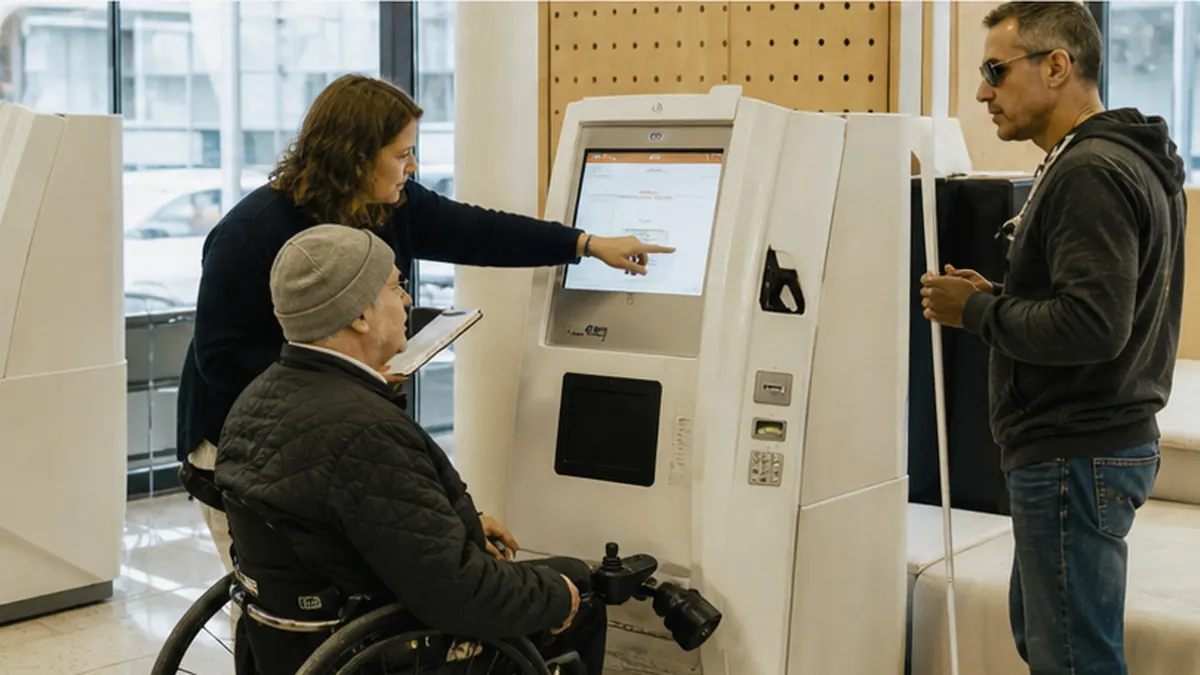
The EU directive covers consumer computing equipment, self-service terminals, electronic communications, e-books, banks and e-commerce.
Accessibility involves both hardware, software, content, customer service, and authentication processes.
Only automatic detection does not guarantee that the real user will be able to complete the task.
In-depth research
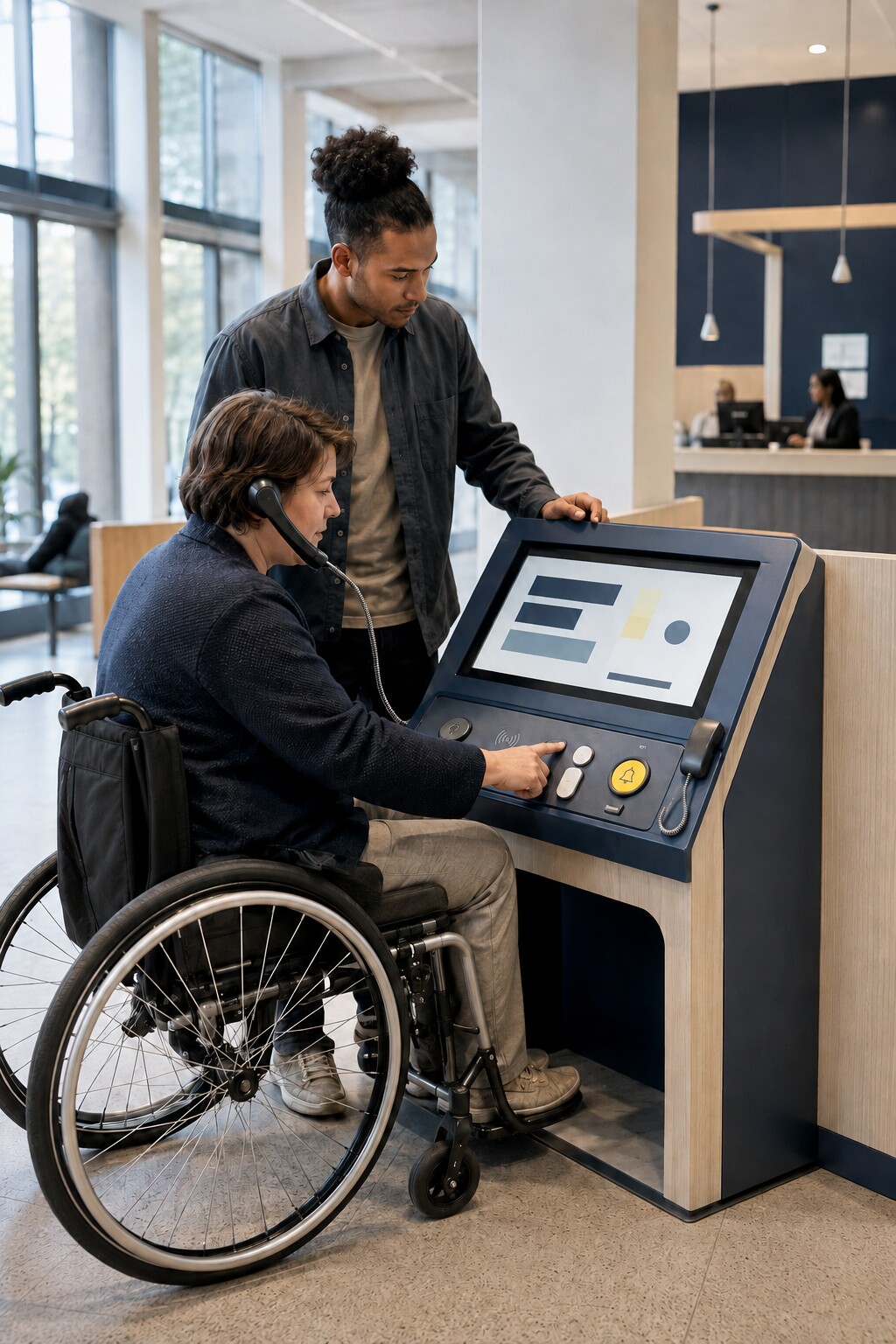
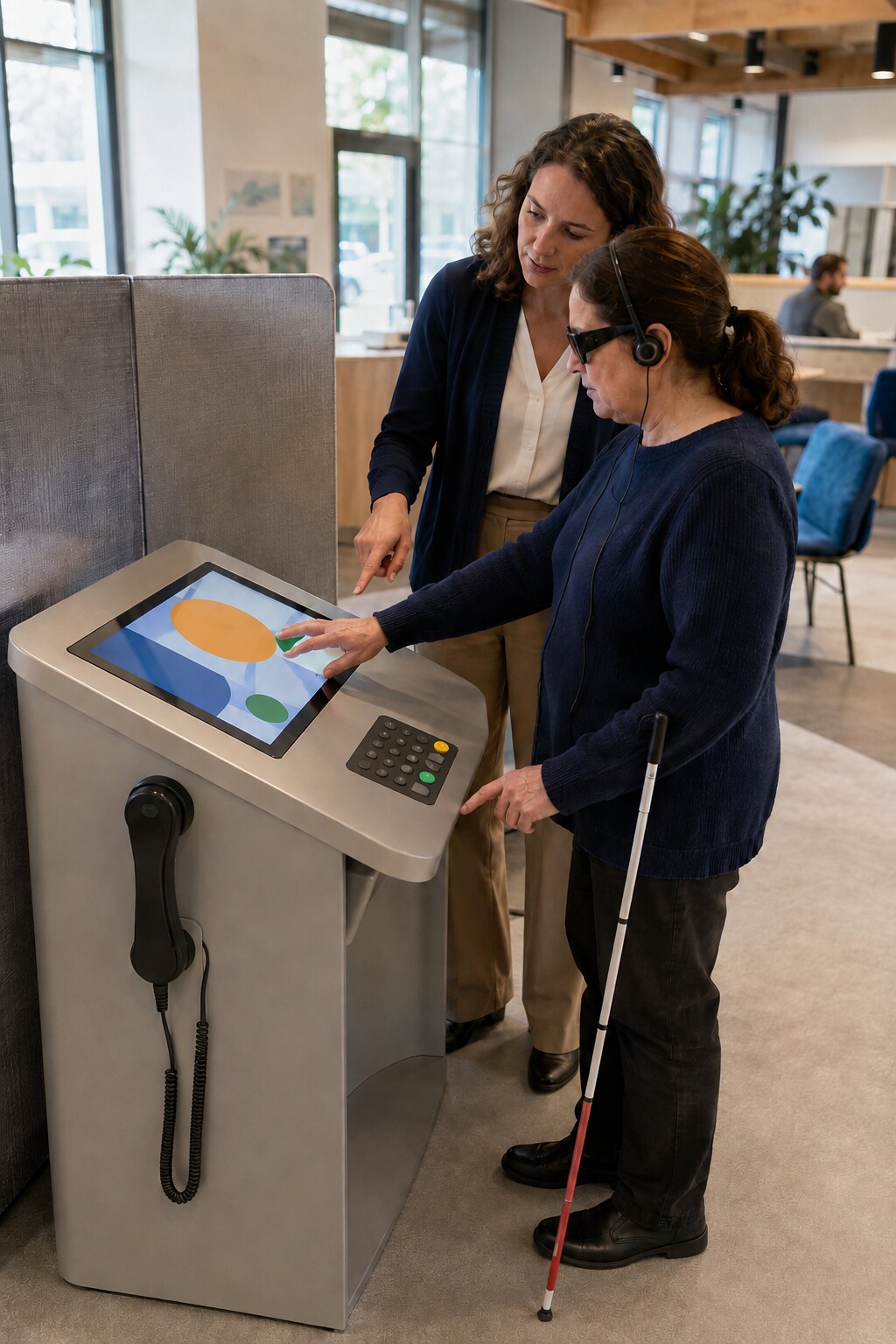
Many failures occur in cross-step locations: buttons can be read, but verification codes are not available; terminals have voice, but payment and help processes are interrupted.The design team must evaluate the experience with end-to-end tasks rather than single-page metrics.
Design Response Design Response
Establish a barrier-free acceptance path with key tasks.
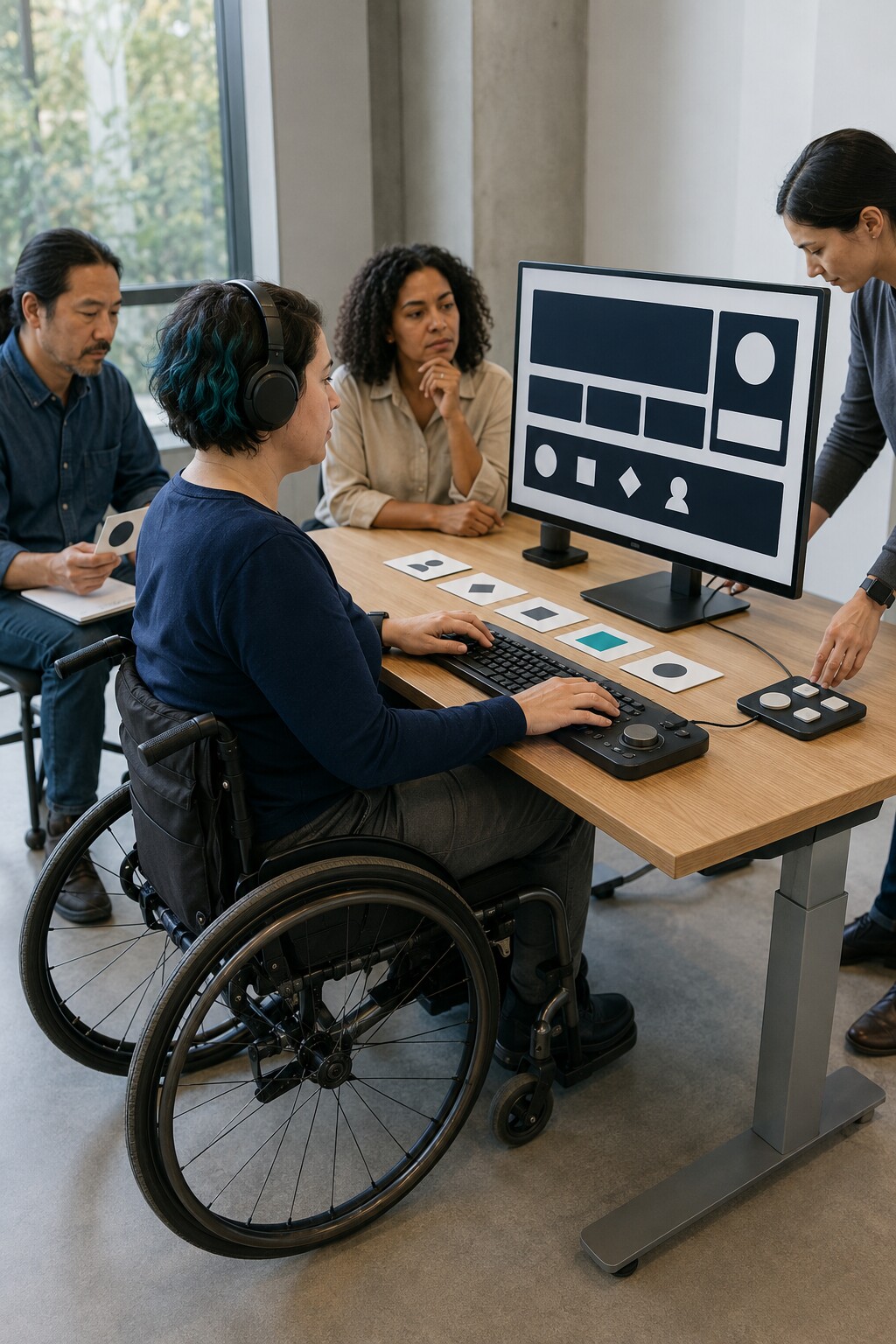
Inviting users of different types of disorders to participate in continuous testing.
Let procurement, content, development and customer service share the same list of issues.
AURELIS observation
The long-term value of the bill is the default measure of the transition from a special version to product quality.
Source of sources
01 https://eur-lex.europa.eu/legal-content/EN/TXT/?qid=1576486964332&uri=CELEX%3A32019L0882
Keywords
European Accessibility Act / Inclusive Service / Accessibility Testing