AbstractAbstract
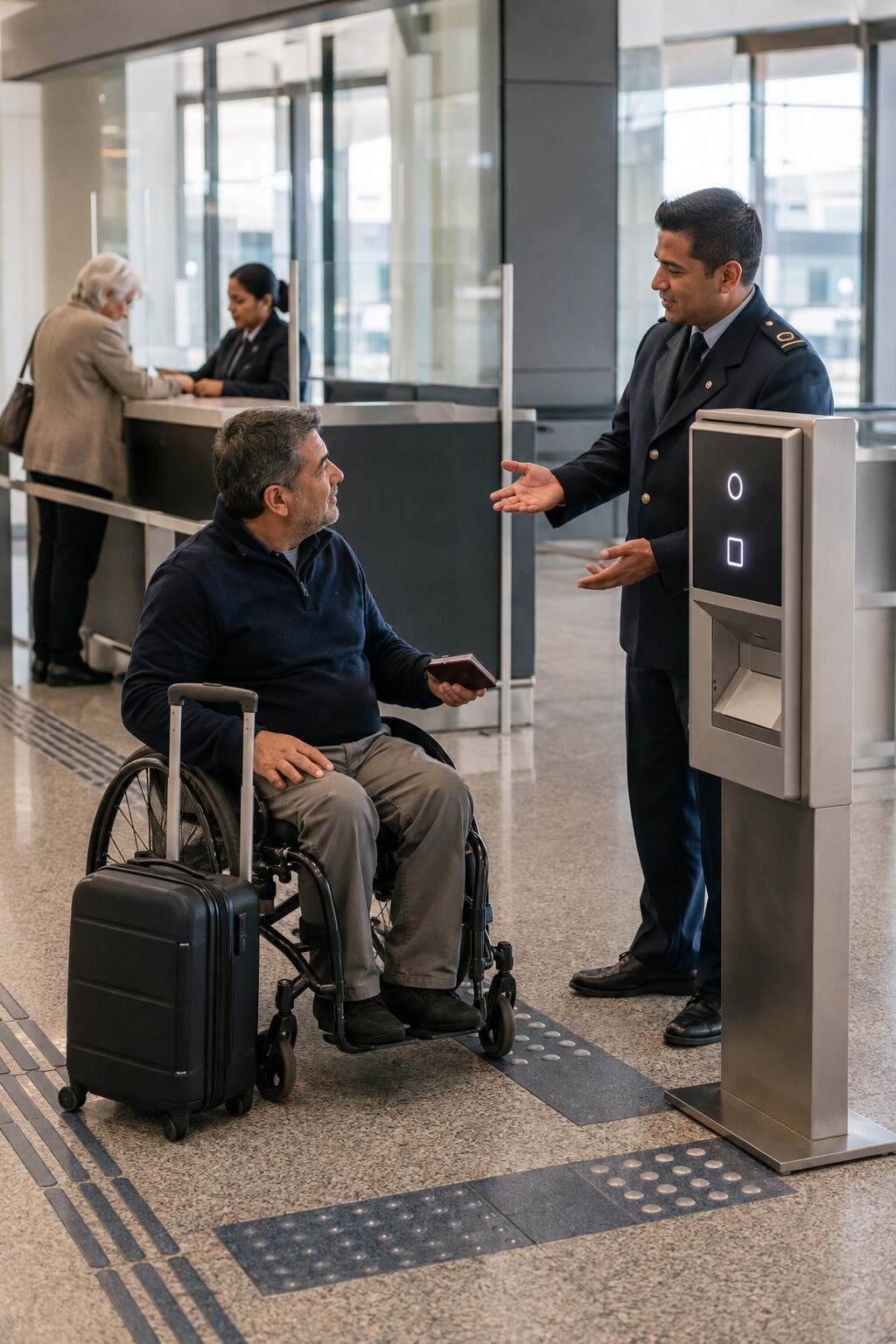
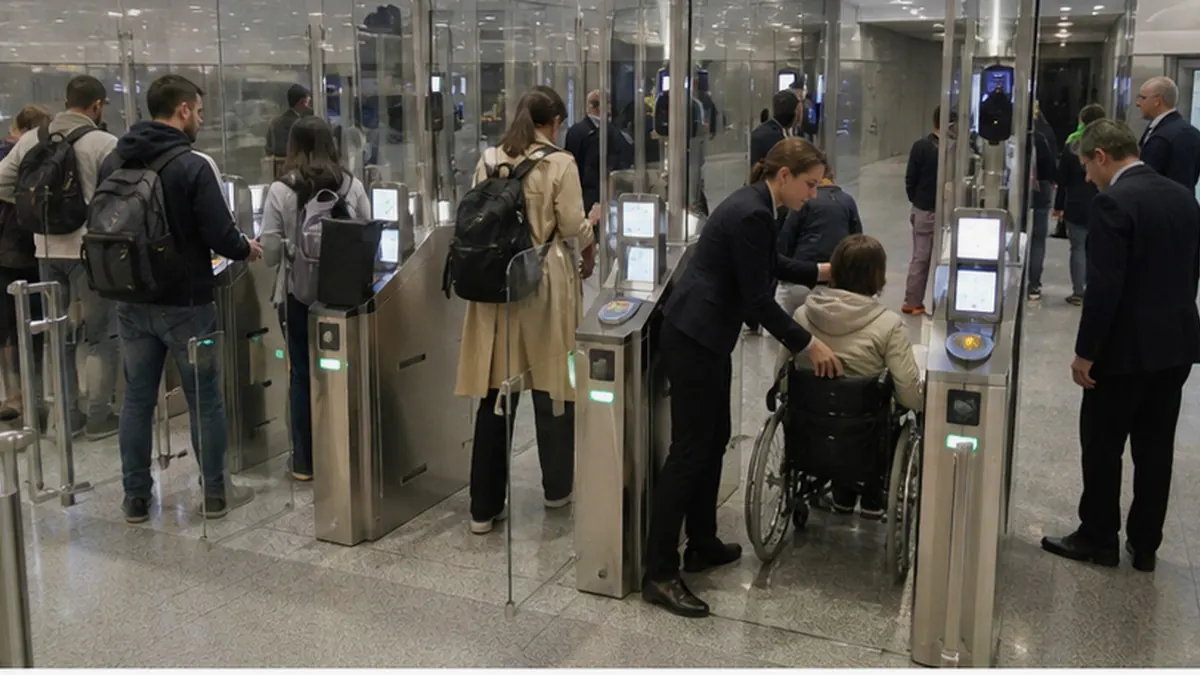
The EU Entry/Exit System, which began operations on October 12, digitally records entry, exit and biometric information for non-EU short-term travellers.The border experience involves both efficiency, privacy, accessibility and on-site assistance.
2025 Timeline and Evidence
01 EES will be operational in phases from October 12, 2025.
The system uses biometric information such as face and fingerprints to replace some passport stamping processes.
Passengers need to understand data acquisition, preservation and exception handling.
Institution of Institutions Study
Biometrics are often described as frictionless, but friction occurs when failures are concentrated in the elderly, children, people with disabilities, or unfamiliar with technology.Service design must take the equipment, queues, staff and appeals process as a whole.
Design Response Design Response
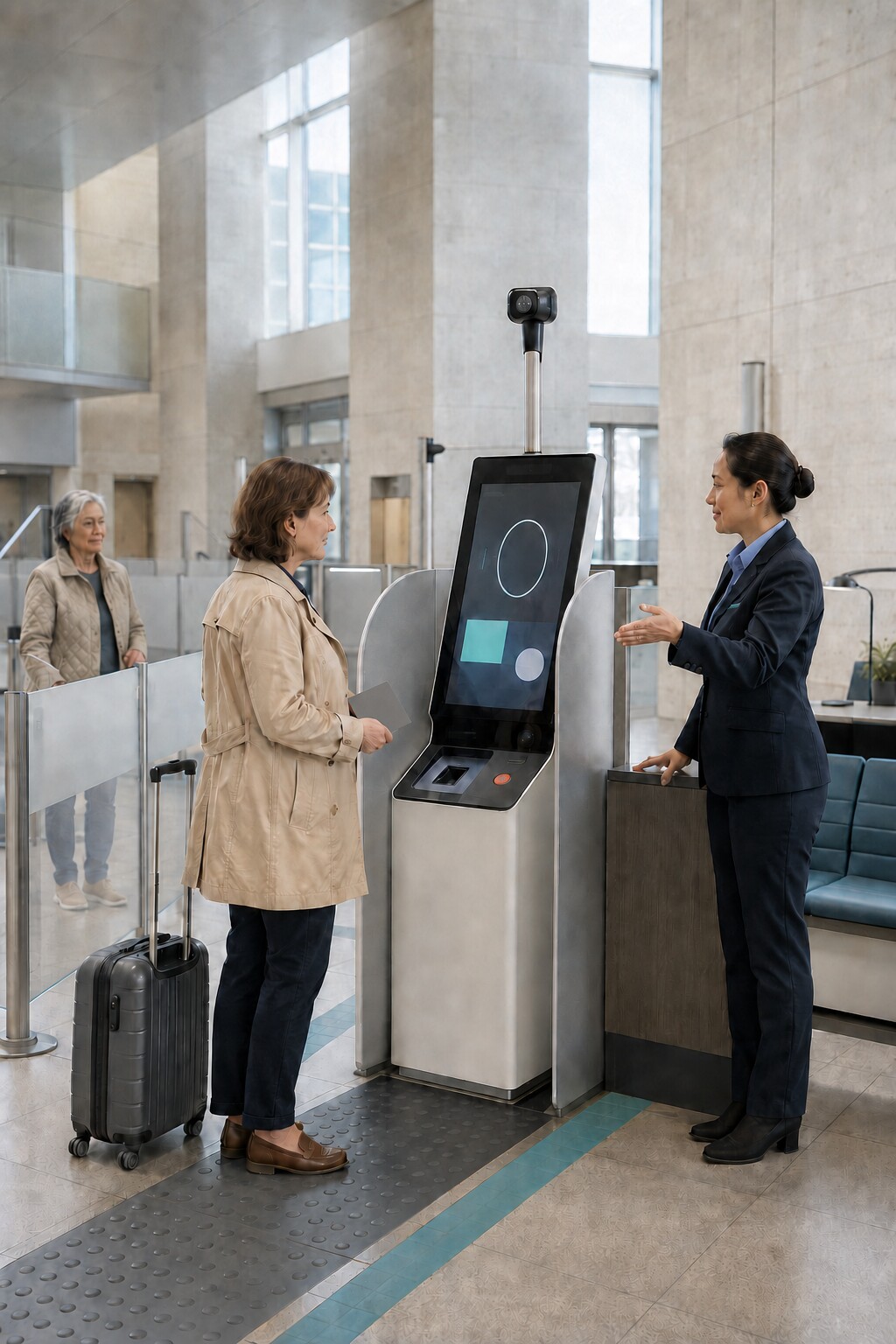
01 Explain the content and the next step before entering the device.
Provides artificial channels that respect privacy for identifying failures.
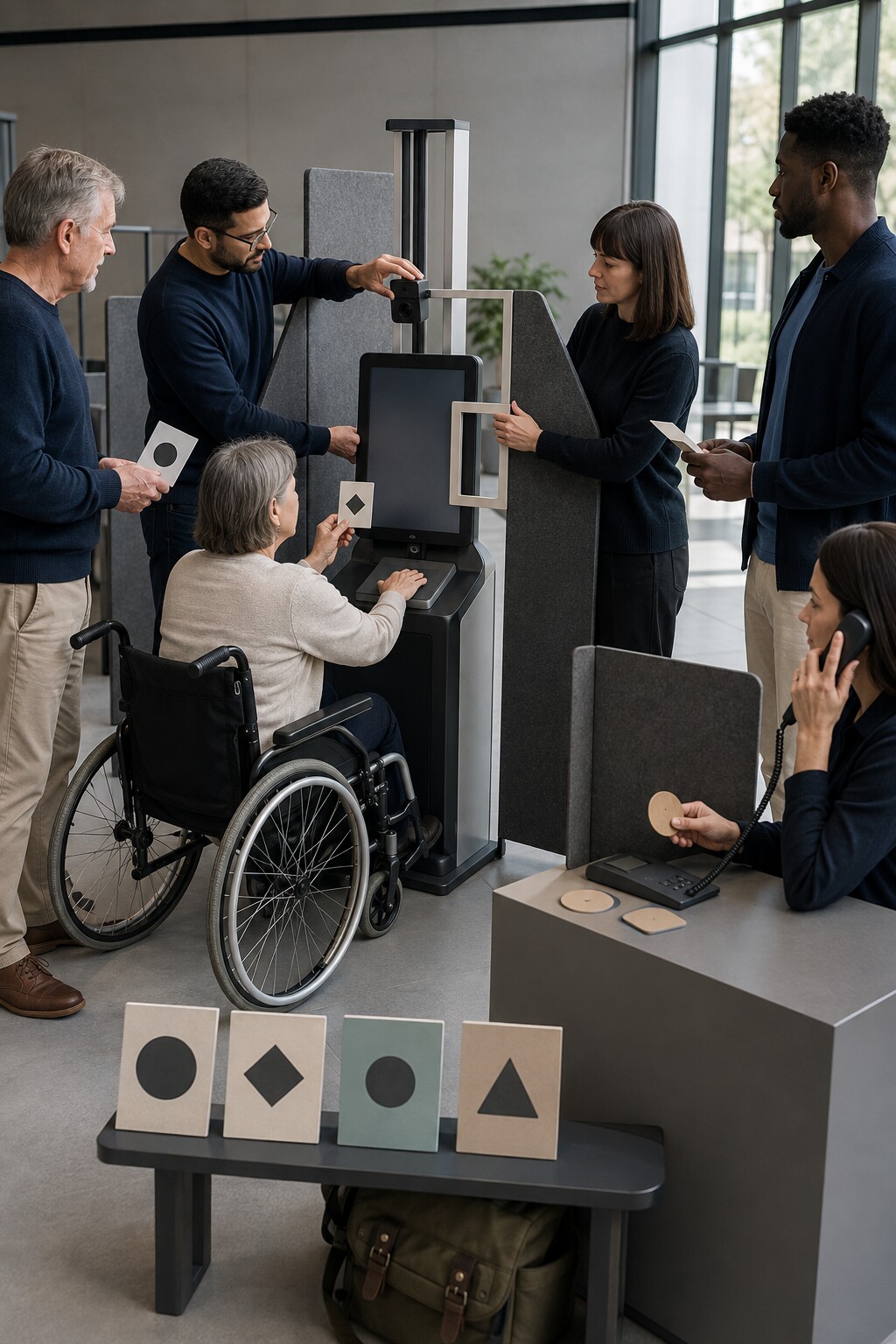
Test with different height, skin color, age and assistive devices.
AURELIS observation
Efficient borders should not come at the expense of invisible data exchange; trust comes from clarity, choice and rectification.
Source of sources
01 https://commission.europa.eu/news-and-media/news/how-new-digital-borders-system-works-2025-10-13_en