AbstractAbstract
The focused discussion of Physical AI, robotics, and world models during CES has made “how the body expresses intent” a new design question.Lights, speed, distance, and posture may all be more important than screen prompts.
2025 Timeline and Evidence
NVIDIA introduced the evolution of the Cosmos World Foundation Model for Robotics and Physical AI at CES 2025.
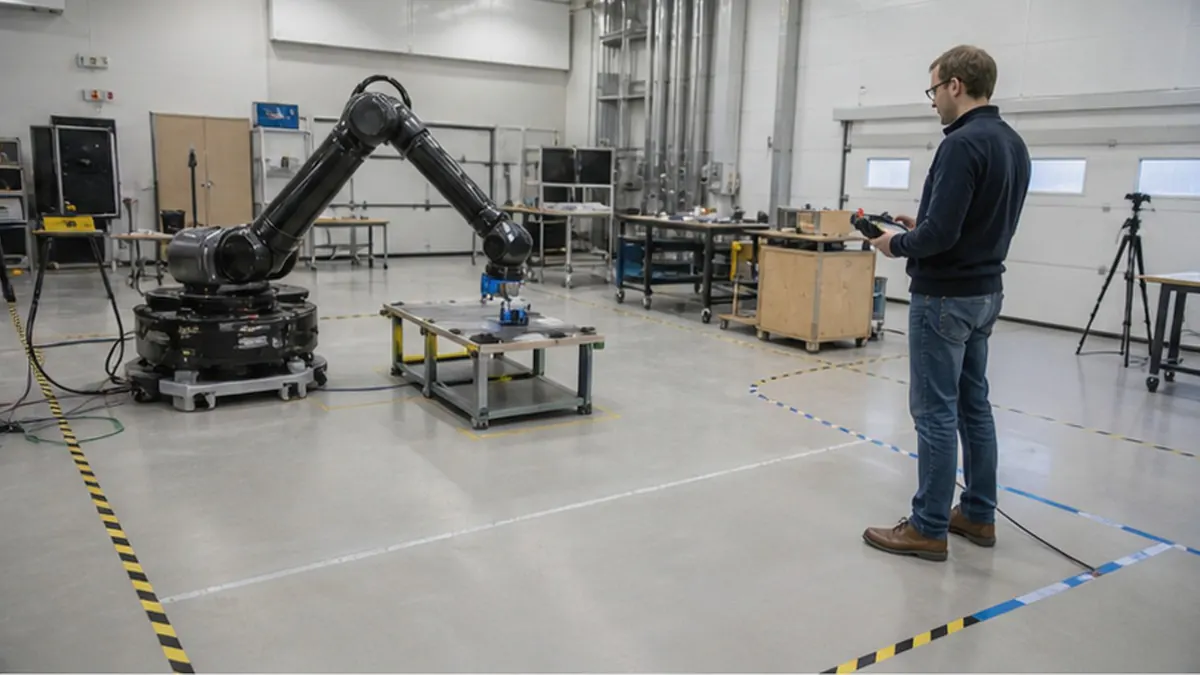
The robot gradually enters the warehousing, retail, family and public service scenarios from the fixed equipment in the fence.
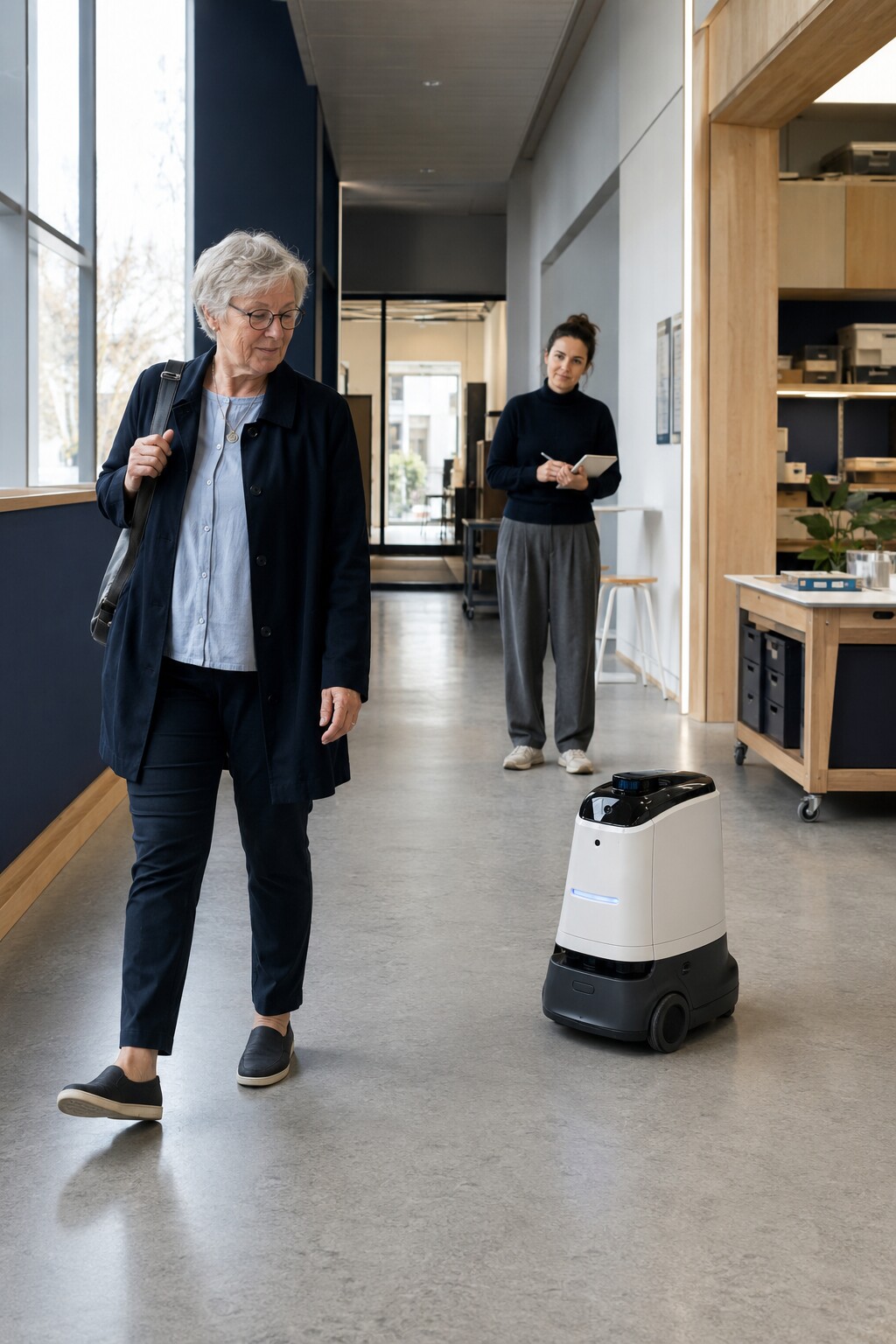
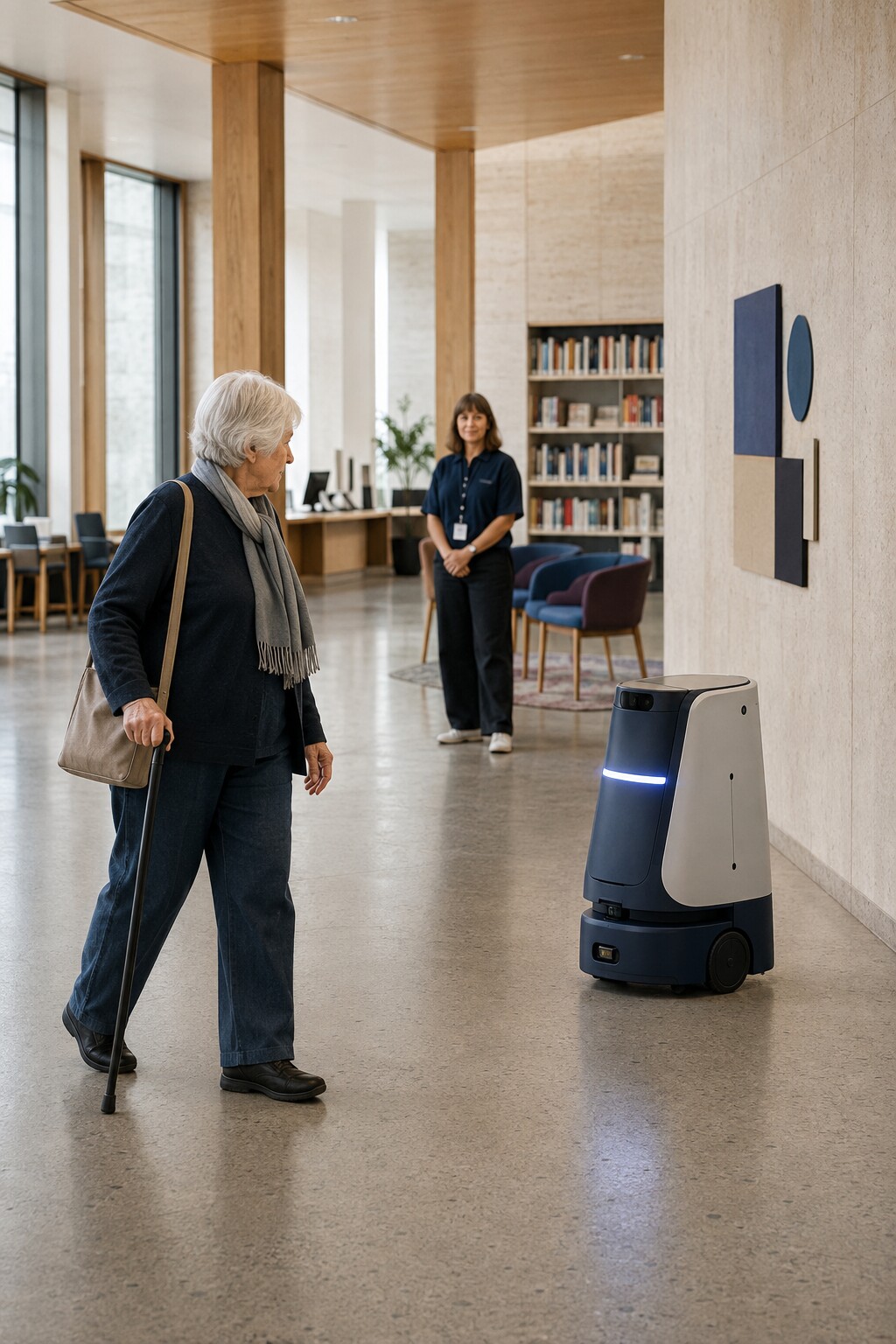
After people and machines share space, motion predictability and security become part of the quality of the experience.
In-depth research
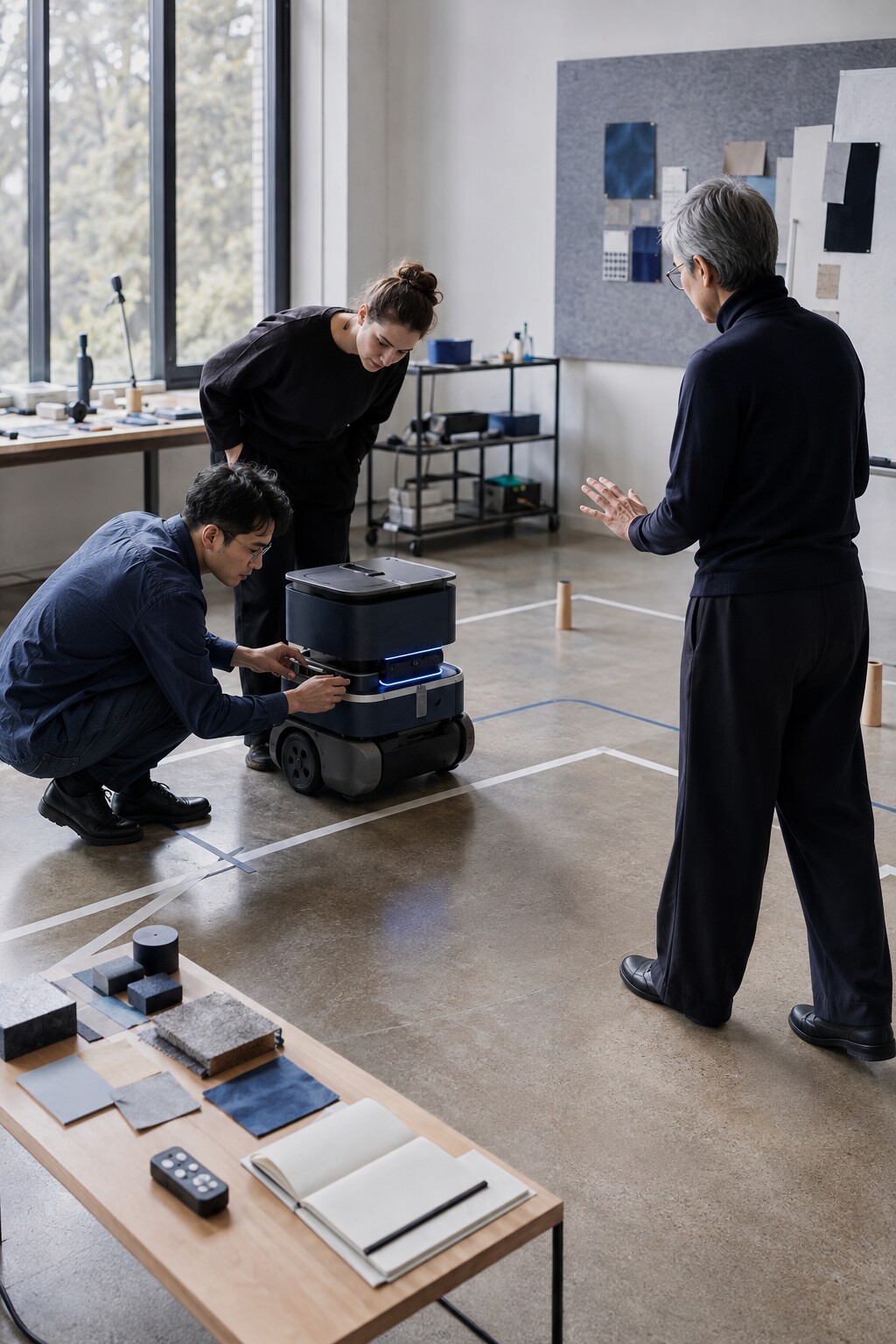
The traditional interface relies on buttons and text, and physical intelligence transmits information with the movement itself.Moving too quickly, suddenly approaching, or not preparing for action can cause users to lose control; designers need to write machine movements as a readable “behavioural grammar.”
Design Response Design Response
Define five basic actions of proximity, waiting, letting line, rejection, and failure.
02 Establish aforesal through velocity gradients, sound and light prompts, and pauses.
Invite the elderly, children and people with mobility impairments to participate in the space safety test.
AURELIS observation
The competitive point of robot design will shift from anthropomorphic appearance to whether it can be restrained, predictable and recoverable in complex fields.
Source of sources
01 https://www.ces.tech/articles/2025/january/ces-2025-jensen-huang-presents-nvidias-latest-innovations/
02 https://www.ces.tech/press-releases/dive-in-to-the-future-ces-2025-opens-today/
Keywords
Embodied Interaction / Robotics / Safety Design / Motion Language