AbstractAbstract
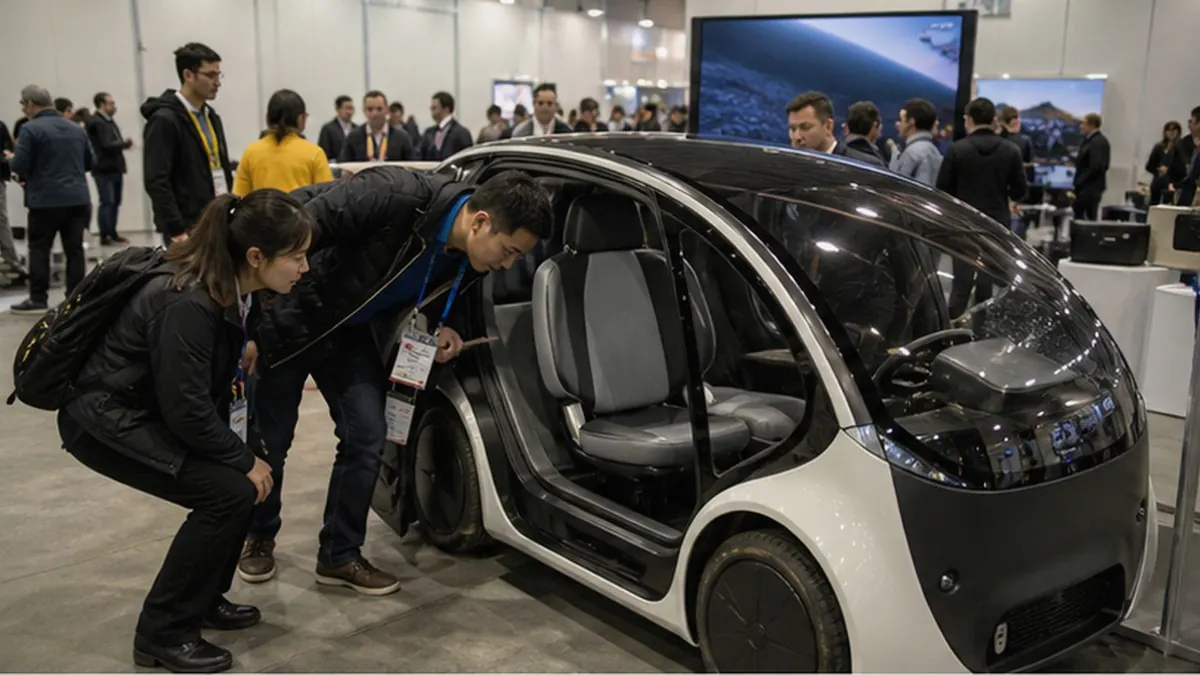
CES 2025 shows that AI is moving from a chat interface to cars, robots, wearables and home spaces.The design task also shifts from “doing an interface” to orchestrating perception, movement, feedback, and manual takeover.
2025 Timeline and Evidence
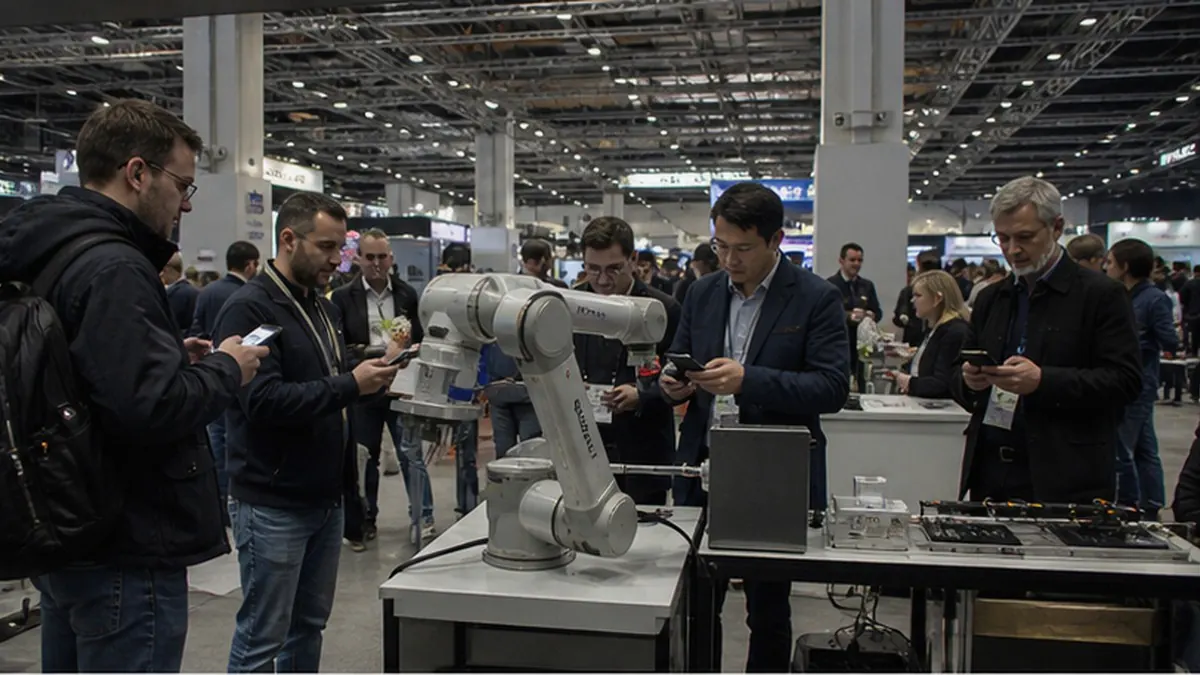
CES 2025 was held from January 7 to 10, attracting more than 141,000 attendees, more than 4,500 exhibitors and about 1,400 start-ups.
The official agenda focuses on AI, digital health, advanced mobility, smart communities, sustainable and barrier-free technologies.
A large number of new products no longer use AI as a separate function, but are embedded in sensors, devices and service processes.
Trend analysis
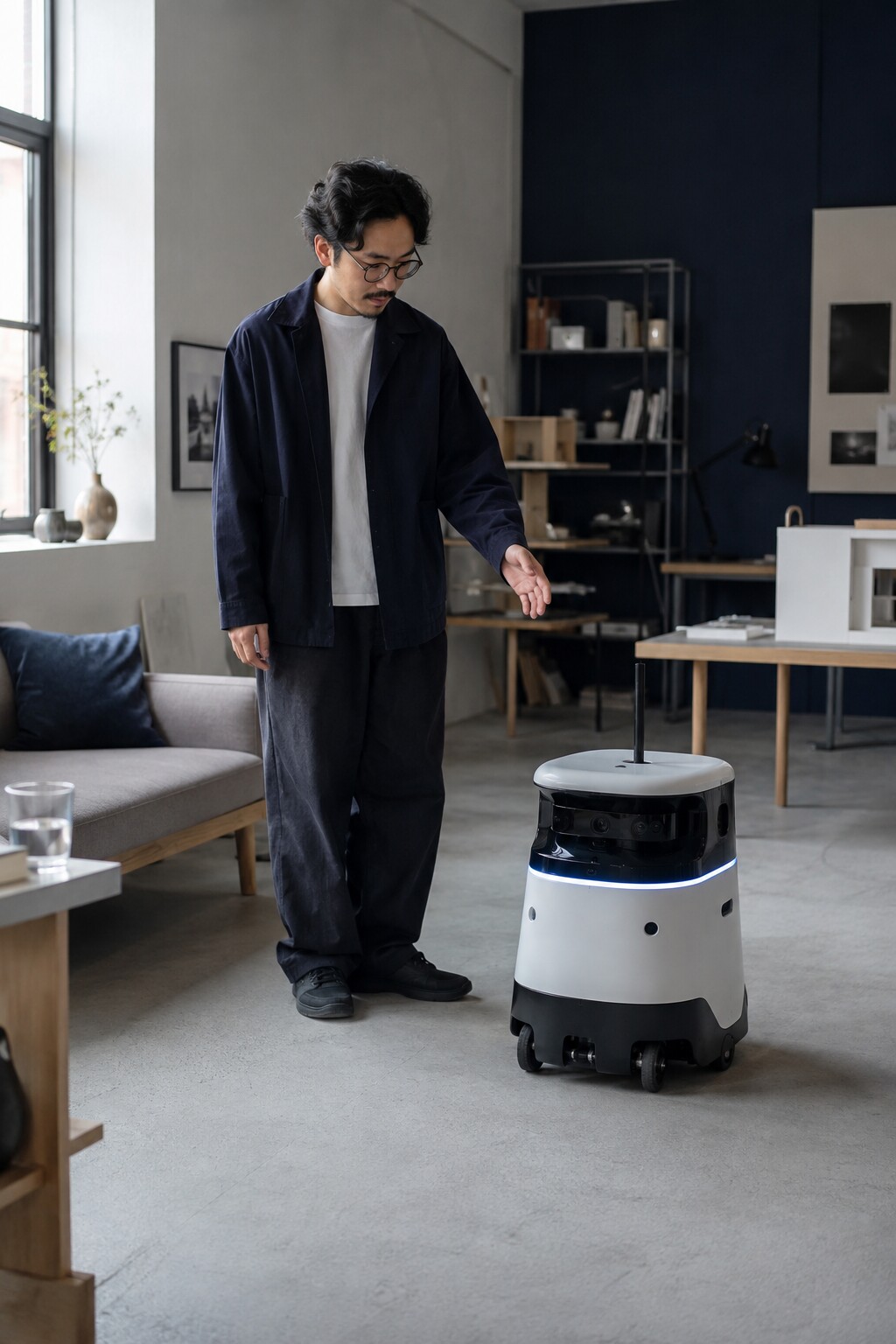
When the intelligence ability enters the physical world, failure is not only a wrong answer, but also a risk of misoperation, privacy exposure, or security risk.The product design must simultaneously handle visible state, capability boundaries, confirmation mechanisms, and anomalous recovery.
Design Response Design Response
01 Draw a closed loop of "perception-judgment-action-feedback" at the concept stage.
Set clear pauses, revocations, and manual takeovers for automatic behavior.
Test noise, occlusion, and weak network with real environment to collaborate with multiple people.

AURELIS observation
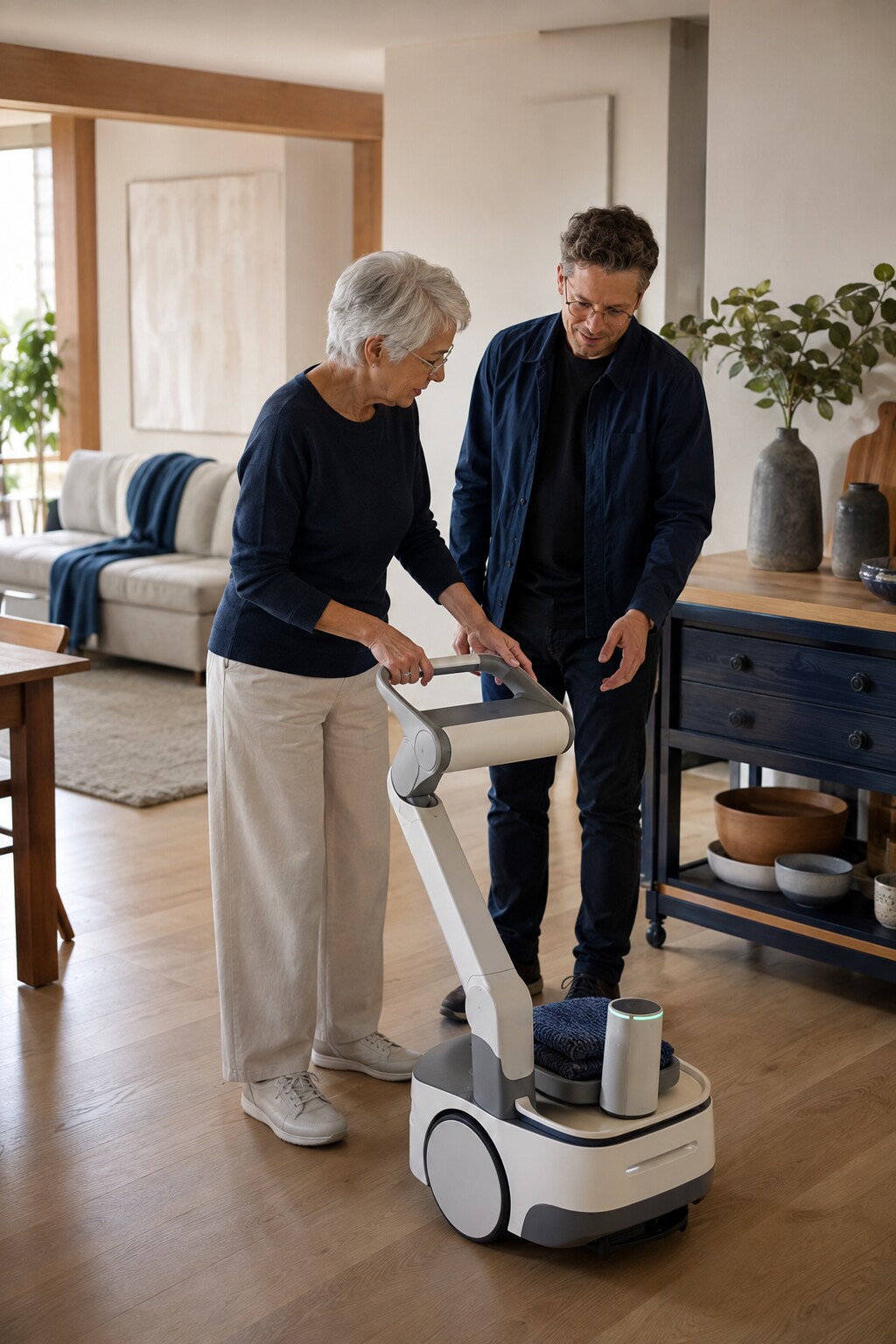
The important change in 2025 is not that devices are “talking,” but that AI is starting to take on continuous tasks.A product that deserves to be trusted should keep users informed of what the system is doing, why, and how to stop.
Source of sources
01 https://www.ces.tech/press-releases/ces-2025-the-global-stage-for-innovation-connecting-the-world-creating-the-future
02 https://www.ces.tech/press-releases/dive-in-to-the-future-ces-2025-opens-today/
Keywords
CES 2025 / Physical AI / Product Interaction / Human Oversight