AbstractAbstract
The U.S. Copyright Office released a report on AI copyrightability in January, confirming that AI assistance does not automatically exclude protection, but the work still needs to be sufficient human creative expression.For design teams, selection, orchestration, modification, and process recording become more important.
2025 Timeline and Evidence
The report was released on January 29, 2025, and is the second part of the Copyright and Artificial Intelligence series.
Relying on prompts alone is usually not enough to constitute control over the authors who produce the results.
Creative selection, arrangement, or modification of material generation by humans may form protective content.
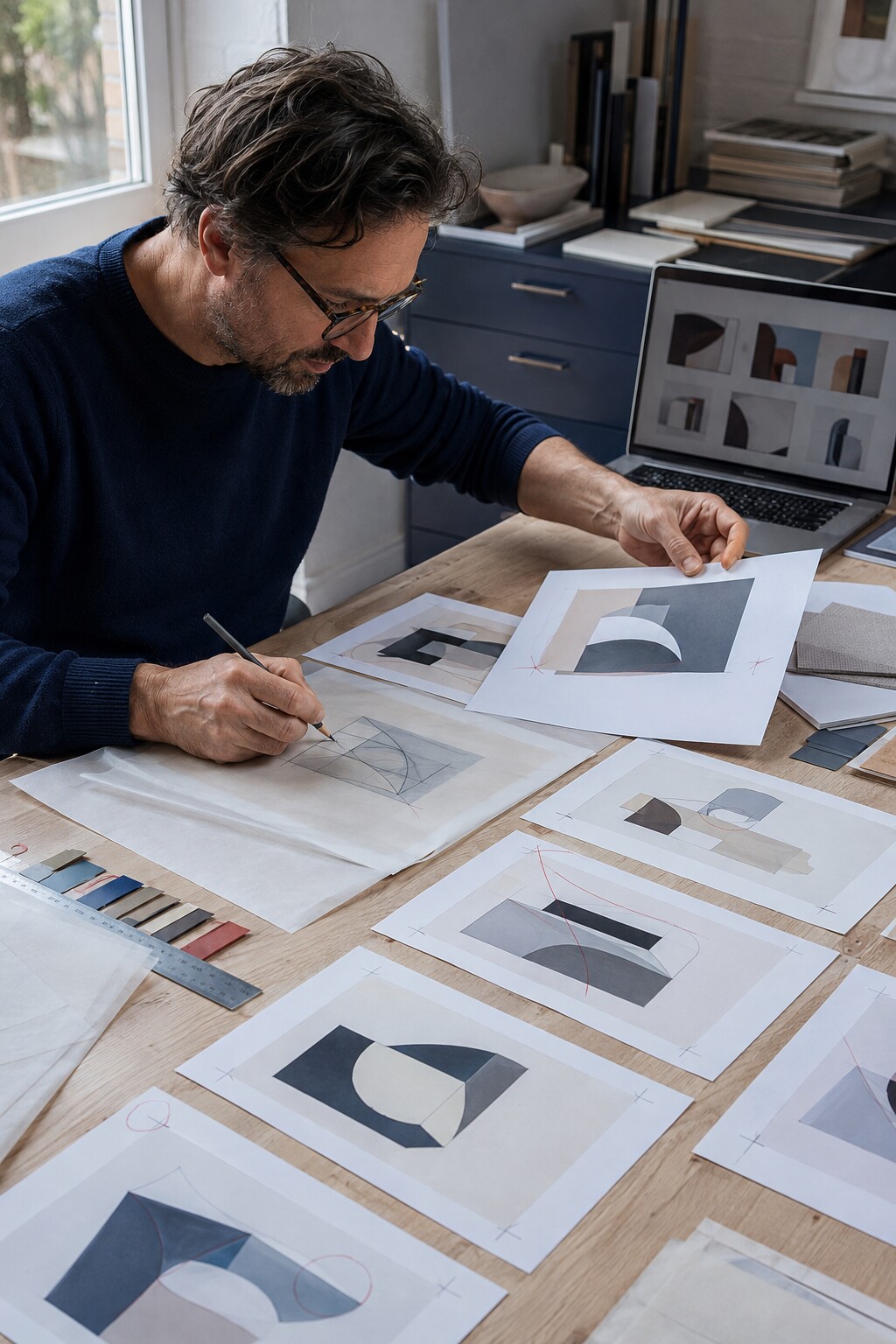
Institution of Institutions Study
It’s not simply “can’t use AI,” but whether design decisions can be explained.If the team is unable to distinguish between model output, manual selection, and later modifications, copyright, commission, and attition will become blurred.
Design Response Design Response
01 Save prompts, filter reasons, versions, and manual modification records.
Identify tools, training material risk and delivery rights in the contract.
03 Put the authorial review into the design review rather than the end of the project.
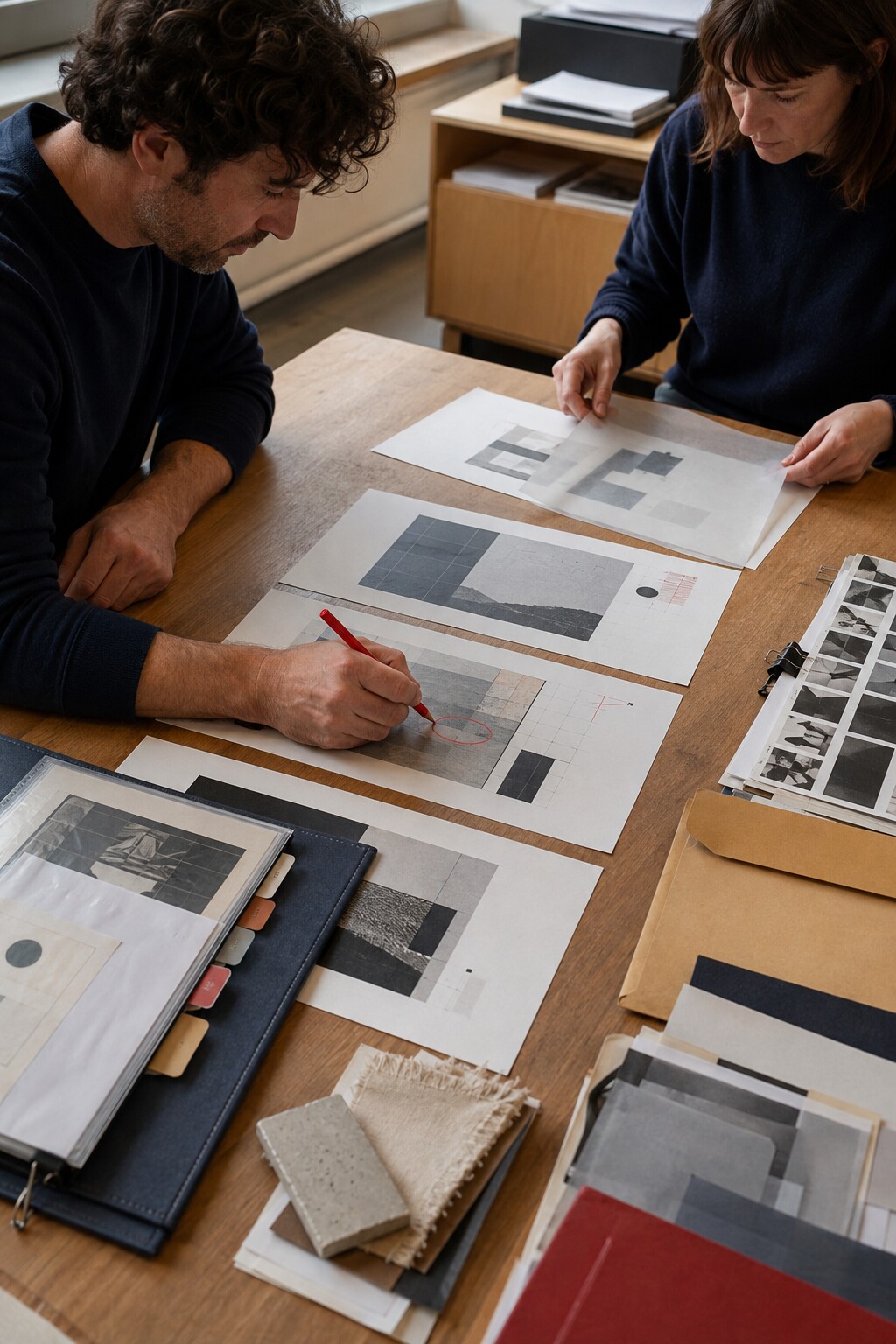
AURELIS observation
The future mature AI creation process will be like color management, turning source and modification history into basic means of production.
Source of sources
01 https://www.copyright.gov/newsnet/2025/1060.html?loclr=licop
02 https://www.copyright.gov/ai/Copyright-and-Artificial-Intelligence-Part-2-Copyrightability-Report.pdf

Keywords
AI Copyright / Human Authorship / Creative Process / Provenance